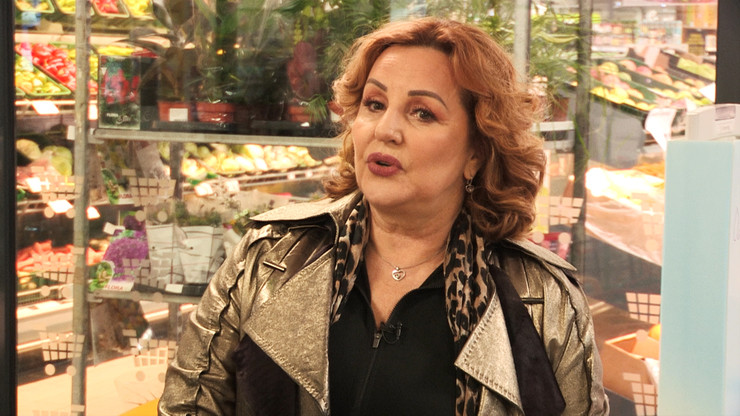
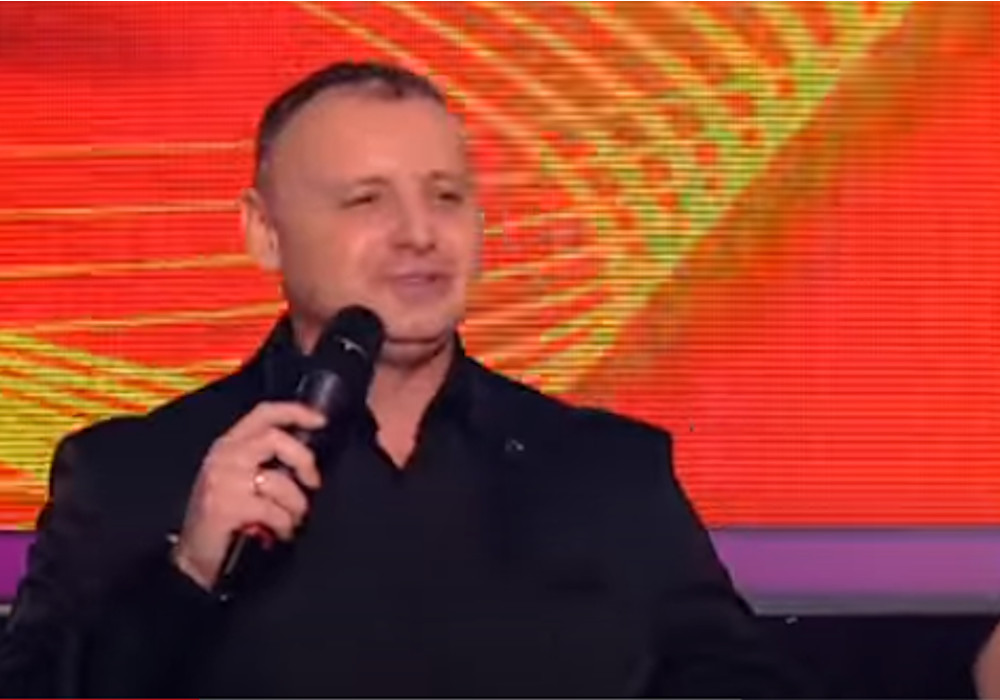
Pevačica Ana Bekuta rodila je sina Igora Polića sa samo 17 godina i morala je da ga ostavi u domu za nezbrinutu decu.
Igor Polić, sin Ane Bekute koga je pevačica rodila 1976. kao tinejdžerka, sa samo 17 godina, nikada majci nije zamerio što ga je kao bebu ostavila nekoliko meseci u domu za nezbrinutu decu.
ANA BEKUTA • RAS SRBIJA / RAS SRBIJA
– Otkako znam za sebe, znam da je ona bila prinuđena da jedan deo života bude bez deteta. To se nikad nije krilo od mene, niti je na mene ostavilo bilo kakve posledice. Majka mi je sve to nadoknadila kasnije, i mnogo više od toga. Nas dvoje i danas pričamo o tome. Verujte da sam oduvek na taj period gledao najnormalnije. Taman posla da majci zameram što je morala da me da u dom. Nikada joj to nisam prebacio. Moja majka je to morala da uradi jer je takav zakon bio tada – rekao je ranije za “Kurir” Igor, koji nije u kontaktu sa svojim ocem.
– Imam sve informacije o svom ocu, ali se ne čujemo, niti se viđamo – otkrio je Igor Polić.
IGOR POLIĆ • PRINTSKRIN / RAS SRBIJA
Ona je za “Star” tada rekla:
– Svakog vikenda putovala sam da vidim Igora, koji bi mi se smešio u krevetiću, nepogrešivo me poznajući. Do sledeće subote u životu su me držali njegov puderasti miris u nozdrvama i otisak njegovih majušnih usana na vratu. Agonija je trajala nekoliko meseci, a onda je glas srca i razuma tu ptičicu vratio u krilo.
Ana je ranije otkrila zbog čega se još kaje u životu.
– Kajem se jedino zbog toga što nisam rodila još jedno dete. Samo zbog toga se kajem i ni zbog čega drugog – istakla je ona za “Alo”.
Poznanici navode da je Aleksandar oduvek bio problematičan
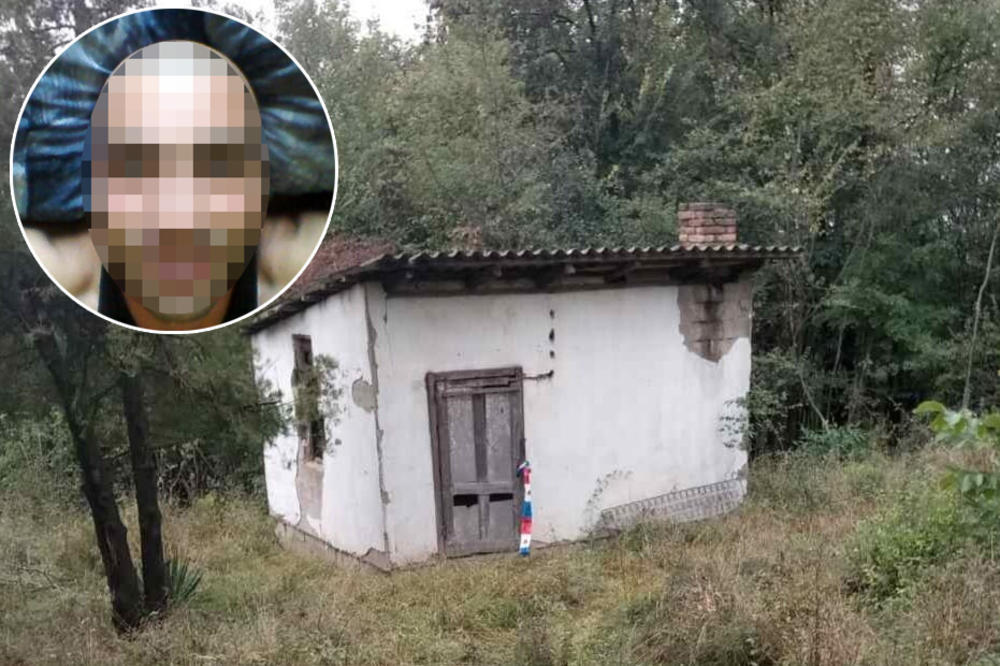
O Aleksandru Ranđeloviću, čije je telo u poodmakloj fazi raspadanja pronađeno u bunaru u selu Konatice kod Obrenovca, komšije i poznanici nisu imali ništa lepo da kažu. Uzrok Aleksandrove smrti još je predmet istrage, kao i to kako je tačno njegovo telo završilo u bunaru napuštene kuće i da li ga je ubio i tu bacio njegov navodni emotivni partner Radovan V.
Telo Aleksandra Ranđelovića otkriveno je nakon što je Radovan V. cimeru u zatvoru, u kom se nalazi jer robija zbog dilovanja droge, ispričao da ga je ubio i tu bacio njegovo telo. Istraga koja je u toku treba da pokaže kada je Ranđelović preminuo, da li je ubijen, kao i da li ga je Radovan V. ubio ili je, nakon što je preminuo prirodnom smrću, njegovo telo sakrio u bunaru.
Komšije i poznanici Aleksandrove porodice ispričali su da je problematični mladić jedno vreme živeo naizmenično u Obrenovcu i Ostružnici.
– Roditelji su mu živeli u Ostružnici, a imali su stan u Obrenovcu. Deda i baba, nemački penzioneri, stanovali su u Ostružnici, pa je Saša stalno dolazio kod njih. Neretko društvo mu je pravio Radovan V. Uzimali su pare od njih, pravili bahanalije, drogirali se, dovodili žene. Haos… – pričaju meštani Ostužnice koji su poznavali Aleksandrovu porodicu.
Poznanici navode da je Aleksandar oduvek bio problematičan.
– Cela najbliža porodica mu je pomrla, a verujemo da je on svojim ponašanjem neke od njih i oterao u grob pre nego što im je bilo vreme. Pre nekoliko godina posle svađe, drogiran je bacio dve bombe na kuću i pokušao da ubije oca i babu. Živeo je kako je živeo, pa nas ne čudi ni ako je na kraju skončao u nekom bunaru – napominju poznanici porodice.
Šta se tačno dogodilo i kako je Aleksandrovo telo završilo u bunaru, utvrdiće istraga i obdukcija tela koja je naložena. Postoje pretpostavke i da se Aleksandar, budući da je bio u dobrim odnosima sa Radovanom predozirao, te da se ovaj “samo” otarasio tela tako što ga je bacio u bunar napuštene kuće na nepristupačnom terenu u okolini Obrenovca. S druge strane nije isključena mogućnost da ga je Radovan ubio i potom bacio njegovo telo u bunar. Nakon toga Radovan se neko vreme skivao u Bosni, a kasnije je uhapšen u Srbiji zbog dilovanja droge.
Pojedini meštani pričali su za beogradske medije da je Aleksandrovo telo pronađeno iskasapljeno i odsečenih šaka, međutim potvrde ove informacije za sada nema, jer je telo muškarca bilo u poodmakloj fazi raspadanja i poslato je na obdukciju.
Meštani Konatica pričaju da su Aleksandar i Radovan bili u emotivnoj vezi i da su neko vreme živeli zajedno.
O Radovanu, takođe, nemaju lepih reči. Kažu da je oduvek bio problematičan i da se godinama drogirao, kao i da je rasprodao gotovo svu porodičnu imovinu.
Sindrom iznenadne smrti je ono na šta lekari uvek prvo posumnjaju, ali on najčešće ostaje nerazjašnjen
Nakon tragedije koja se dogodila u Zemunu danas popodne, kada je devojčica stara godinu dana iznenada preminula u snu, ekipa Objektiv.rs kontaktirala je pedijatre i neonatologe koji su govorili o mogućim uzrocima ove strašne tragedije.
Srčana mana, problem sa disanjem ili mehaničko gušenje koje nastaje kada se detetu prekriju disajni organi, samo su neki od razloga za smrtne slučajeve kod male dece sa kojima su se lekari susretali.
Ipak, prvo na šta lekari posumnjaju kada dođe do ovakve tragedije jeste sindrom iznenadne smrti, kada dete “iz punog zdravlja” iznenada premine, dok pre toga nije imalo nikakve simtome bilo koje bolesti, kažu lekari.
Foto: Pixabay/PublicDomainPictures
Najćešće u zimskom periodu
Pedijatar dr Dejan Jonev za Objektiv.rs objašnjava da se ovaj sindrom najčešće dešava u uzrastu od šest meseci, najčešće u zimskom periodu.
“Sindrom iznenadne smrti odojčeta pogađa decu uzrasta do godinu dana, najčešće u snu. Učestalije se javlja kod dečaka, u zimskom periodu, kod dece koja se ne doje, kao i kod dece koja koriste cucle. Sindrom iznenadne smrti starijeg deteta se javlja kod dece starije od godinu dana, najčešće u snu. Manje je zastupljen nego kod odojčadi“, objašnjava dr Jonev.
Srčane anomalije i tumori
Ipak, to mogu da budu zdravstveni problemi koji nikada nisu otkriveni, napominje Vera Kovačević, neonatolog za naš portal.
“To mogu da budu srčane anomalije sa kojima je dete rođeno, ali i problemi sa drugim organima. Problemi sa plućima i disanjem takođe mogu da izazovu ovakvu tragediju, ali oni se najčešće vide i daju nekakve simtome. Čak i određene boelsti, kao što su tumori, mogu da dovedu do iznenadne smrti”, objašnjava neonatolog dr Vera Kovačević.
Nepoznati razlozi
Dešava se da dete premine kada mu nešto smeta pri disanju u snu, kada disajni organi iz nekih trenutkih razloga nisu prohodni.
“Dešava se da neka mehanička stvar, kao što je ćebe, zasmeta detetu pri disanju i da dođe do ovakve tragedije, ali to su ređi slučajevi. Nažalost, uzrok se najčešće nikada ne otkrije”, objašnjava neonatolog.
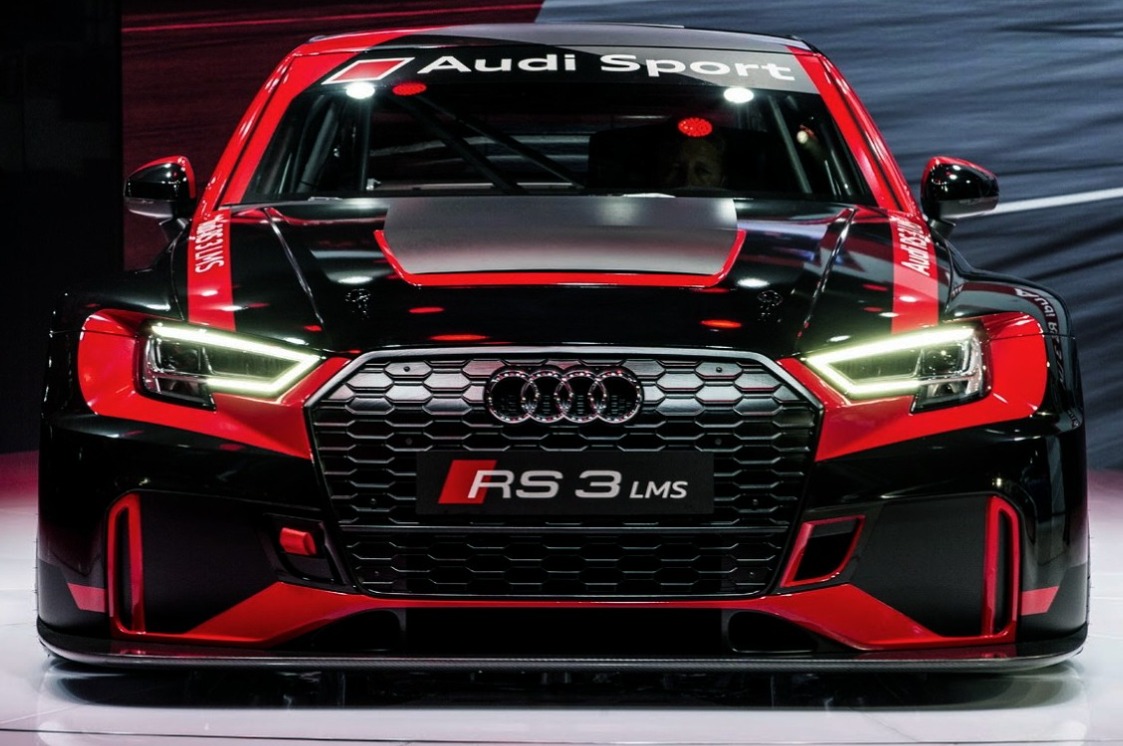
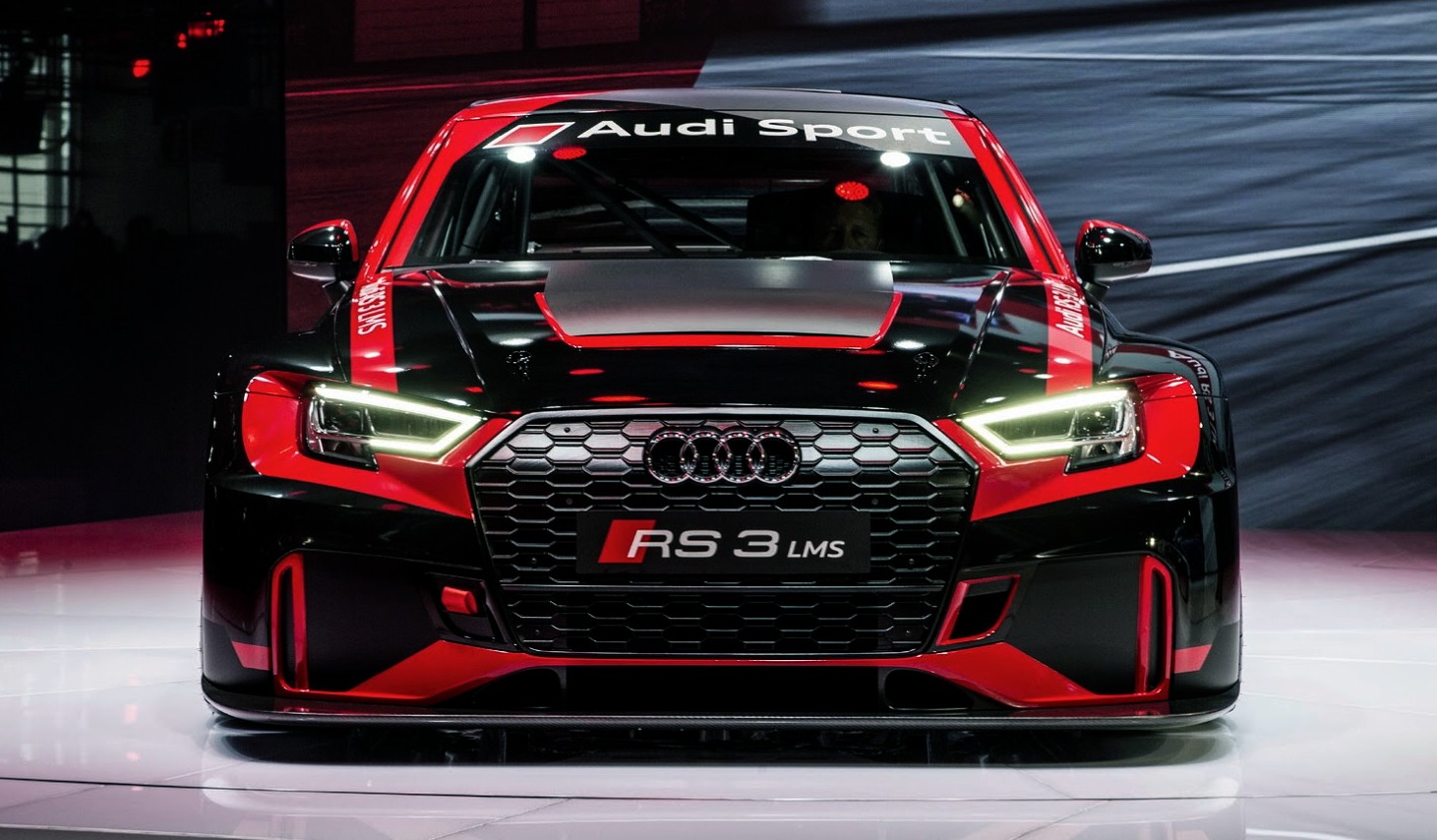
Not unlike the BMW’s M235i Racing, the RS3 LMS is the new point of entry into Audi Sport’s racing lineup. It slots in below the R8 LMS the company offers to GT3 racing teams, not to mention the RS5 DTM and R18 E-tron Quattro prototype it fields through its own factory racing programs.
It’s based on the new road-going sedan, but is clearly tuned for the track with more aggressive bodywork, dropped down to the tarmac and festooned with wings. Where the street model packs plenty of luxury accoutrements, the racing model’s cockpit is stripped out and fitted with a single PS3 racing bucket, roll cage, safety nets, and rescue hatch.
In place of the 2.5-liter turbocharged inline-five, the racing model is powered by a competition-spec 2.0-liter turbo four rated at 330 horsepower. That’s less than the road-going version’s, so it’s a little slower off the line. The run up to 62 miles per hour takes 4.5 seconds, and top speed peaks at just under 150 mph. But what it lacks in straight-line speed it’s sure to make up for around the circuit with added grip and higher cornering speed.
Automotive racing is one of the world’s most illustrious sports, and rightfully so. Ever since the very first vehicle was invented, mankind has been pushing the boundaries of speed, handling, and performance. There’s an almost inherent need to feel the rush of adrenaline as you put it all on the line against other drivers, weaving, sliding, and careening around the track. The competitive spirit is so natural, so ingrained into our very being, that eventually, a lust for performance-focused platforms began to find its way out of the controlled environment, and into the hearts (and minds) of common consumers.
Sanctioned racing leagues and illustrious circuits are all well and good, but the true soul of racing lies within the culture that surrounds it. Generational builders, enthusiasts, and aftermarket modifiers are the pounding pulse of automotive evolution, driving progression through an endless pursuit for every last ounce of power. As such, revenue is plentiful for companies that can adequately translate, elaborate upon, and customize the world’s foremost vehicles. While almost any platform can be modified in some way, there are standout offerings that have made a name for themselves within the road-faring community due to their intuitive standards, simplified mechanical functions, and aspirational capabilities. Below, we take a look at the most tuner-friendly cars for enthusiasts, collectors, and aficionados.
ACURA INTEGRA
The Acura Integra has enjoyed a long and illustrious career as one of the most modified vehicles in history. Though the body style (and name) remained prevalent until 2001, when it was replaced by the new-generation RSX, its unique, wedge-like design, shapely paneling, and accessibility earned it a wealth of aftermarket parts. Since the Integra was so readily available and utilized easy-to-acquire components from the Honda line, it was tuned and modified to great extent, fostering its reputation as one of the most formidable consumer models in the 1990s. Out of these years, 1994/1995 were the most prominent, with the latter introducing the highly-regarded Type R — a 197-horsepower premium model that would adopt the brand’s 1.8-liter DOHC VTEC in-line 4-cylinder engine. Although the car earned recognition as a consistent contributor to nearly every annual Top Ten list during its tenure, the Type R set the vehicle apart from its competition, eventually earning it the title of “the best front-wheel-drive car of all time.”
ACURA RSX
Speaking of the Integra, its successor, the RSX, stands on equal footing when it comes to aftermarket affluence. Widely known as the fourth generation of the Honda Integra series, the RSX would see dramatic growth in its fan base due to osmosis. Connoisseurs of the original Integra adopted the platform, accepting it as the last iteration of Honda’s illustrious line. From 2001 until 2006, aftermarket manufacturers would shift their interest from the preservation (and modification) of the Integra to focus wholeheartedly on the RSX. At its heart, a 160-horsepower intelligent VTEC K20A3 engine would add fuel to the fire for street-savvy drivers who wanted a more modern take on Honda’s famous car. This, paired with standard inclusions like cruise control, ABS, power windows, and a moonroof, would make the car a hit among aftermarket enthusiasts. Because of this, parts were plentiful, and it wasn’t uncommon to see a modified RSX in every niche of the automotive culture.
BMW 3 SERIES (E46)
While it’s true that many aftermarket BMW’s are more subdued than their counterparts, the German manufacturer’s 3 Series (E46) is still one of the most popular, tuner-friendly lineups of all time. To understand why that might be, all you have to do is take a look at the series’ impeccably-designed models. From 1997 to 2006, BMW would craft some of the automotive industry’s most prolific sedans, coupes, convertibles, and wagons, earning the 3 Series recognition within aftermarket car circles. Because of their popularity in the UK, as well as the states, manufacturers began to take note. The novelty of an established European vehicle being amplified and exaggerated through aftermarket modification was interesting enough to warrant subtle body kits, aerodynamic units, and an increasing number of performance-focused engine peripherals. The best part? The range’s various 3-Series engines were already capable, leaving the showroom floor in iterations ranging from the 120HP 316i, all the way to the 355-horsepower M3 CSL.
CHEVROLET CORVETTE
Chevrolet’s Corvette is a time-honored participant in any “best of” automotive list, and our tuner-friendly guide is no exception. While it might seem counterintuitive to buy a moderately-expensive, performance-focused car, only to gut it, supply it with aftermarket parts, and spend even more money, the allure is certainly there. The American icon has spanned generations — 60 years, in fact — providing ample time for aftermarket manufacturers to become well-acquainted with the car’s unique systems. This means that modifications are plentiful, allowing owners to give the (once) front-engine model even more power. In 2014, the Corvette would undergo a significant redesign, removing it from the rank and file of aftermarket elaboration, but the car’s first six generations (especially the period from 1984 to 2013) were rarely seen without at least some type of performance-enhancing implementation. The first 30 years of the ‘Vette are immune to judgment, considering the car’s iconic status.
EAGLE TALON
The Eagle Talon is a sleeper in every sense of the world. Not only does the name solicit confusion among those who aren’t well-acquainted with older models (and companies), but its aesthetics don’t inspire the most confidence when it comes to aftermarket capability. Better known as a model synonymous with the Mitsubishi Eclipse, the Talon served a brief stint within the automotive space from 1989, to 1998, where it was rebranded through various companies, including Plymouth. Things weren’t all bad, however. The Talon (and its Eclipse offshoot) featured a lauded DSM (Diamond Star Motors) engine, which ranged from a modest 135-horsepower, naturally-aspirated edition, all the way to the 210HP DOHC 2.0-liter Mitsubishi 4G63 turbo I4, which could only be found in the model’s second-generation TSi. Obviously, this made the Talon a hit within the aftermarket community, especially since the car’s low, entry-level price left ample room for post-purchase investment. Needless to say, a dependable DSM engine, factory turbo, and near-unlimited Japanese Domestic Market (JDM) customization options gave the vehicle all it would need to stand out as one of the greatest tuner-friendly vehicles of its era.
FORD ESCORT RS COSWORTH
The Ford Escort RS Cosworth is famous for its own reasons, but the once-tame vehicle hasn’t always been the monstrous, modified juggernaut that we know today. In 1992, the car began its life as a rally-specced homologation special outfitted to take the crown in the Group A World Rally Championship, adopting various performance-focused peripherals straight from the factory floor. Alongside these capable offerings, a consumer version was also released in limited numbers, giving common drivers access to the “homologation special” for everyday use. Since the car left the showroom with a substantial suite of track-focused parts, including the recognizable “whale tail,” a 224-horsepower, turbocharged 2.0-liter inline-four engine, and an improved suspension, most of the work had already been done for those looking to take the platform to the next level. What we didn’t know, however, was that the car would gain traction due to a wealth of easy-to-acquire parts. Thanks to this popularity, the Cosworth was adopted by many tuning companies who hoped to push the car to its limits, with many builds regularly reaching outputs of over 1,000 horsepower.
FORD MUSTANG
We all know the story of the Ford Mustang. It’s North America’s sweetheart — a timeless, iconic model that’s helped to define the western automobile industry since its debut in 1964. Like the Corvette, the Mustang has been around for generations, giving aftermarket companies more than enough time to engage in interesting modification projects. Since the vehicle debuted as a performance-focused model that was targeted toward the young enthusiast, it was immediately badged as a “driver’s” car, gaining traction with companies who wanted to push it well past the boundaries set forth by Ford. In its early years, the pony car would become a substantial addition to many North American race leagues, as well as a testament to the tuning culture; although, back then, the term was used in a different way. This was all-important to the long-term success of the car, and with the Mustang’s fourth (and fifth) generations becoming, arguably, its “most modified,” it seems that the aftermarket culture isn’t going to let the icon die off anytime soon.
HONDA CIVIC
To say that the Honda Civic is one of the most influential tuner vehicles of all time is an objective statement. To say that it “is” the most influential tuner vehicle of all time is decidedly subjective — but we’ll leave that here for those who want to take note. Whether or not you’re a fan of the eastern staple, it’s clear that since its debut in 1972, the car has gone on to be one of the best-selling platforms in the industry, playing a pivotal role in its aftermarket presence. As one of the largest automotive companies in the world, Honda has a wealth of information, expertise, and technology at its beck and call. As such, the compact two-door model has persevered for over 10 generations. From its meager, 55-horsepower beginnings, all the way to the current, 306HP turbocharged four-cylinder that can be found in its 2021 Type R variant, the reliability (and tunability) of the brand’s engines has allowed its notable name to be etched into the annals of history. An affordable price point, intuitive, easy-to-fix ecosystem, and immense popularity have all played into the Civic’s role as the darling of the aftermarket tuning community, with modified variants regularly achieving 600+ HP.
HONDA S2000
Speaking of aftermarket darlings, the S2000 is the next amazing inclusion on our list of tuner-friendly vehicles. Not only does this drop-top sports car boast one of the most interesting (and subjectively attractive) layouts in the automotive industry, but it’s also one of the only rear-wheel-drive models that the company has ever produced, garnering the interest of many enthusiasts. Although the vehicle enamored audiences at the Tokyo Motor Show in 1995, it wasn’t released until 1999. At that point, interested parties had spent four years devising their very own modifications, parts, and enhancements for the car, relying on imaginative sketches that wouldn’t be put into circulation until after its debut. This, paired with the car’s notable power output of 124-horsepower-per-liter, made the S2000 and immediate hit within the tuning crowd, since, at the time, it had achieved the highest horsepower per cubic inch out of any naturally-aspirated model during the era.
INFINITI G35
Many of you might be wondering what the Nissan 350Z didn’t make it onto this list? For the most part, it was due to the fact that it might have been “too” obvious. Although, there was a sneaking suspicion that the Infiniti G35 would also secure a position, causing us to second guess our admittance policy. While the G35 might not be as popular, or as notable as Nissan’s Z, we thought that it might be a bit more interesting to deviate from the norm and speak on a vehicle that remains painfully underrated. What’s more, the Infiniti model is likened to the Z in more ways than one. As the more luxurious counterpart to the car, the G35 began to make waves within the industry as a rebadged (and repurposed) Nissan Skyline catered toward the North American and Canadian audience, bringing with it a bevy of parts, peripherals, and options that were once formulated for the JDM market. Since it shared underpinnings of the 350Z, and later, the 370Z, it became an instant hit among enthusiasts who were knowledgeable enough to capitalize on its untapped power, allowing it to serve as a counterpart to Nissan’s lauded models over its years of production.
MAZDA MIATA
The Mazda Miata is the world’s best-selling sports car. That alone should tell you why it’s also one of the more modified vehicles on the planet. This sleek, two-passenger roadster was introduced all the way back in 1989, where it would enamor audiences with an athletic 1.6-liter, inline-four engine. Since it was smaller and more nimble than many models during the era, it was quickly adopted by racing enthusiasts who were looking to capitalize on its significant weight decrease, modifying it in ways that were similar to the other eastern cars that had made their way to American shores. Over the years, the rigid platform would garner more attention from the racing community due to its expansive catalog of easy-to-acquire parts, prodigal power ratings, and responsive handling, making it a monster on the track with only minimal effort. After earning various awards and accolades, the Miata was significantly redesigned in 2015, taking on a powerful 181-horsepower engine, a rigid roof, and a sleek, modern appearance tailored for aftermarket bodywork.
MAZDA RX-7
While Mazda’s RX-7 lacks a true, track-inspired spirit, it excels in environments where torque is key. As such, this front/mid-engine model is one of the drifting world’s most prominent competitors, thanks to its unique (and masterful) rotary engine. Sure, the Wankel is a masterpiece of design, but due to its complexity, the RX-7 is notoriously difficult to tune, especially if you’re comparing it to something like the Miata, or Civic. If you were lucky enough to know a mechanic/tuner who understood the ins and outs of the car, however, it became one of the most formidable vehicles on the blacktop. Due to its sporty persona, the RX-7 became a cult-classic after its debut in 1978, but it wasn’t until the release of the turbocharged third-generation FD (in 1992) that the car took on an entirely different status. Arriving from the factory with an overly-complex sequential twin-turbocharger system, the FD would administer two distinct ranges of PSI, depending on its RPM. In theory, this would allow the car to utilize a near-linear acceleration curve, giving it instantaneous power throughout its entire rev range. Naturally, this excited drivers who wanted to push the car to its limits, causing many aftermarket tuning companies to produce kits revolving around the rotary-powered prodigy.
MITSUBISHI LANCER EVOLUTION
Although the Mitsubishi Lancer EVOLUTION was put into production in 1992, it quickly became one of the most notable vehicles in the industry. Arriving from the factory with a sporty, all-wheel-drive powertrain, a (now) famous two-liter turbocharged inline four-cylinder engine, and improved styling, the car stole the hearts of domestic buyers who were searching for an alternative to many of Japan’s mod-worthy platforms. What they received was an understated challenger. After agreeing to market the car at no more than 276 horsepower, rumors spread that Mitsubishi was devaluing their figures in an effort to maintain compliance. In reality, the EVOLUTION was putting out far higher numbers, becoming more efficient, and acting as a catalyst for Mitsubishi’s competitiveness alongside Subaru. With each new generation, the car would evolve, eventually acquiring a figure just shy of 440HP. Naturally, word spread regarding the true capabilities of the car, and it became a sought-after platform within many automotive communities, especially in terms of aftermarket modification.
NISSAN 240SX
It’s safe to say that the Nissan 240SX is one of the most modified vehicles in history. This can be attributed to its robust parts catalog, which remains one of the largest in the industry, as well as a long-running lineage as the perfect entry-level project car for aspiring track goers. While the car has made an unprecedented impact on the world of drift, the 240SX was also one of the most popular vehicles within Nissan’s lineup during the 1990s, serving as the flagship sports car alongside the company’s established 180SX, and 200SX. In the early years, the vehicle was lauded as a bombproof model that could accept various low-cost tunes to garner improved power, thanks to its dependable KA24E 2.4-liter inline-four engine. However, the car’s second iteration, which would adopt the updated (and more versatile) KA24DE, is where the 240SX would truly shine. Due to the popularity of the car within the drift circuit, manufacturers continued to produce elaborate packages that would improve the platform’s performance, handling, and aerodynamics, inevitably leading to an inflation of value. Now, the once-affordable model is regularly sought after, resulting in higher prices, expensive aftermarket kits, and a dwindling population.
NISSAN SKYLINE GT-R
The Nissan Skyline GT-R is already one of the most sought-after vehicles in the world, with collectors and JDM enthusiasts paying top-dollar for project-worthy platforms. After the car’s introduction in 1969, it quickly became an established competitor within Japan’s touring circuit, putting its powertrain, suspension, and aerodynamic structure under the microscope for the country’s dominant aftermarket companies. Though the Skyline was discontinued until 1989, it returned with a vengeance. The R32, which was introduced that year, would act as the first in a short run of vehicles that would go down in history, thanks to their immense popularity within the Japanese JTCC Group A racing series. Due to their high-performance (and tunable) RB20 engines, companies were able to push the vehicle past 500 horsepower on a consistent basis, resulting in worldwide appreciation by the aftermarket tuning community. Homologation rules dictated that the Skyline be produced in smaller numbers for acceptance into the current racing leagues. While popular in Japan, the car made waves overseas, thanks to its inherent appeal, tunability, and prestige — although, getting your hands on one has proved to be a difficult process.
SUBARU IMPREZA WRX / WRX STI
When Mitsubishi created its Lancer EVOLUTION, it did so with the hope that it could stand up to Subaru’s monolithic Impreza WRX models. At the time, the popularity of the car’s sedan and hatchback trims were unmatched, dominating the world market in many different facets and areas. That popularity wasn’t a sham, either. The WRX offered many enticing and attractive traits that enthusiasts had been asking for, including an all-wheel-drive layout, an experimental, rally-inspired parts package, and a sleek aesthetic design that has always been one of the most original in the automotive industry. Although the car was introduced to the North American market in 2002, it wasn’t until 2004 that Subaru’s lauded STI model would make its way to the states. This unique iteration was a performance-based predecessor to the (non-Impreza) WRX STI, which would make its debut some years later, in 2015. However, in anticipation of the rally-focused wonder, shops began to monitor the Japanese market even more closely, picking up ideas for improved powertrains, aerodynamics packages, and performance suspension layouts. The car’s small-displacement, turbocharged four-cylinder engine was already regarded as one of the most dominant in the industry. Arriving from the showroom floor with anywhere from 280 to 320 horsepower, it would garner the interest of street tuners and track goers who wanted to push the car’s all-wheel-drive layout as far as they could. Naturally, this led to an explosion in parts and peripherals from renowned tuners who would accompany the car through its various generations.
TOYOTA AE86
The Toyota AE86 is a legend within the racing world. Arriving in a sought-after front-engine/rear-wheel-drive layout, the Corolla-derived cars were manufactured in a very small window during the 1980s (1983-1987), and enamored audiences with their coupe and hatchback configurations. While it might not be the best-looking car on our list, its popularity can be attributed to its inherent tunability. Boasting one of the most intuitive — and modifiable — engines from the era, this five-speed example would steal the hearts of enthusiast drivers during a time where front-wheel-drive models were beginning to dominate the industry. Due to the AE86’s popularity within the world of drifting (thanks, in large part, to the Japanese manga series, Initial D), it became a cult icon within the racing world. Naturally, aftermarket upgrades would follow suit, allowing drivers to push the car past its conventional boundaries to garner increased horsepower, torque, downforce, and aesthetic presence.
TOYOTA SUPRA (MK IV)
While the Toyota Supra might not seem like a tuner-friendly vehicle due to its overall cost, things weren’t always so bleak. When the A80 program was first conceptualized all the way back in 1989, it took almost four years for the vehicle to reach the production line, giving interested parties more than enough time to theorize what the initial “Celica” line might become. After its introduction in 1978, the car would steadily transition into the Supra namesake, dropping the Celica demarcation in 1986. From then on, the Supra would make a name for itself as one of Toyota’s premier sports offerings. In 1993, the performance-focused fourth-generation (Mk IV) would make its debut, enamoring audiences with what was to become one of the most legendary cars in the automotive industry, due to its (now) lauded 2JZ engine. These 3.0-liter, twin-turbocharged variants would carry the fourth-generation Supra to the height of its popularity until 2002 when it was discontinued due to emissions standards. Naturally, this made the platform excessively sought-after, causing prices to skyrocket within the tuning community. This, paired with the mythical modifiability of the car’s power plant, would make the Supra a favorite among collectors, aftermarket enthusiasts, and teams who were willing the pay the price for its prestigious parts package, which could comfortably push well past the 600+ horsepower mark.
VOLKSWAGEN BEETLE
Volkswagen’s Classic Beetle is synonymous with a handful of different styles, depending on your exposure to the car. From rat rods to chic, road-faring commuters, this iconic platform has seen its fair share of modifications over the years, thanks to its simplified rear-engine layout, minimalistic bodywork, and intuitive mechanical functions. While other vehicles on our list have become the most tuner-friendly due to ergonomics and capability, the Beetle was adopted by aftermarket manufacturers for a different reason. Due to its lineage, which can be traced back to 1938 Germany, the VW Beetle is currently the longest-running production vehicle of all time, as well as the most-manufactured model of its kind. As you might surmise, the vehicle hasn’t evolved much since its debut in the middle of the 20th Century, giving builders and modification companies more than enough time to become well-acquainted with its inner workings. What began as a common commuter that was built “for the people,” would soon take on a different role within the world of motorsport. From drag racing to the Trans-American road series, and even the Baja 1000, Volkswagen’s compact platform has taken on many different forms and facets of the automotive world, resulting in a deep connection to vintage and enthusiast race leagues. As such, performance parts are plentiful, cheap, and well-documented.
VOLKSWAGEN GOLF
Volkswagen’s Golf was introduced in 1974 as a compact commuter with big dreams. It was fashioned to take over the role of our previous offering — the classic rear-wheel-drive Beetle — as automotive manufacturers decided to make a more prominent push for front-wheel dominance. As a result, the Golf would adopt a large portion of the Beetle’s robust fanbase, rising to prominence as a suave, three-door hatchback. Over the years, its ergonomics would earn it various awards and accolades within Europe, and in 1985, the first iteration of the performance-focused GTI was released to consumers. Later models would adopt VW’s first Turbocharged Direct Injection (TD) diesel engine, as well as turbocharged iterations of the 2.0-liter FSI, allowing the vehicle to garner upwards of 240 horsepower from the factory. Later, its admittance into various race leagues would bolster its popularity with drivers who were looking to give the vehicle a more athletic presence for daily driving. Since the Golf was well on its way to becoming the best-selling model in the VW range, it made sense that aftermarket companies latched onto the platform as a prodigal model that would usher in the future of the brand’s consumer modification scene. As it turns out, their trust wasn’t misplaced. The Golf is currently being produced for its eighth generation and remains one of the automotive world’s top three best-selling vehicles of all time.
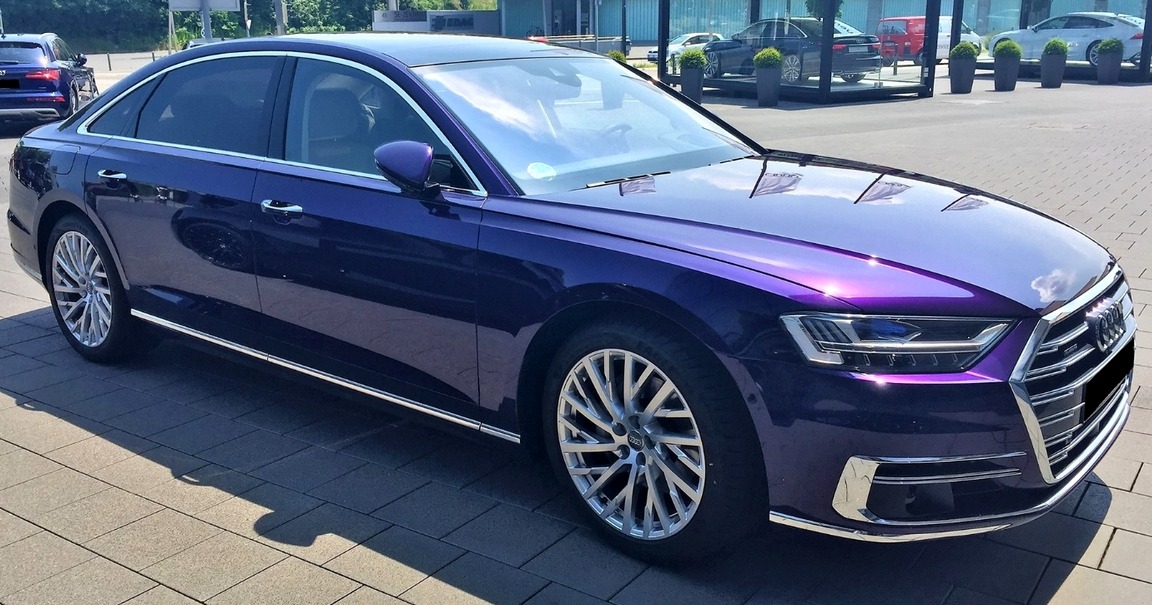
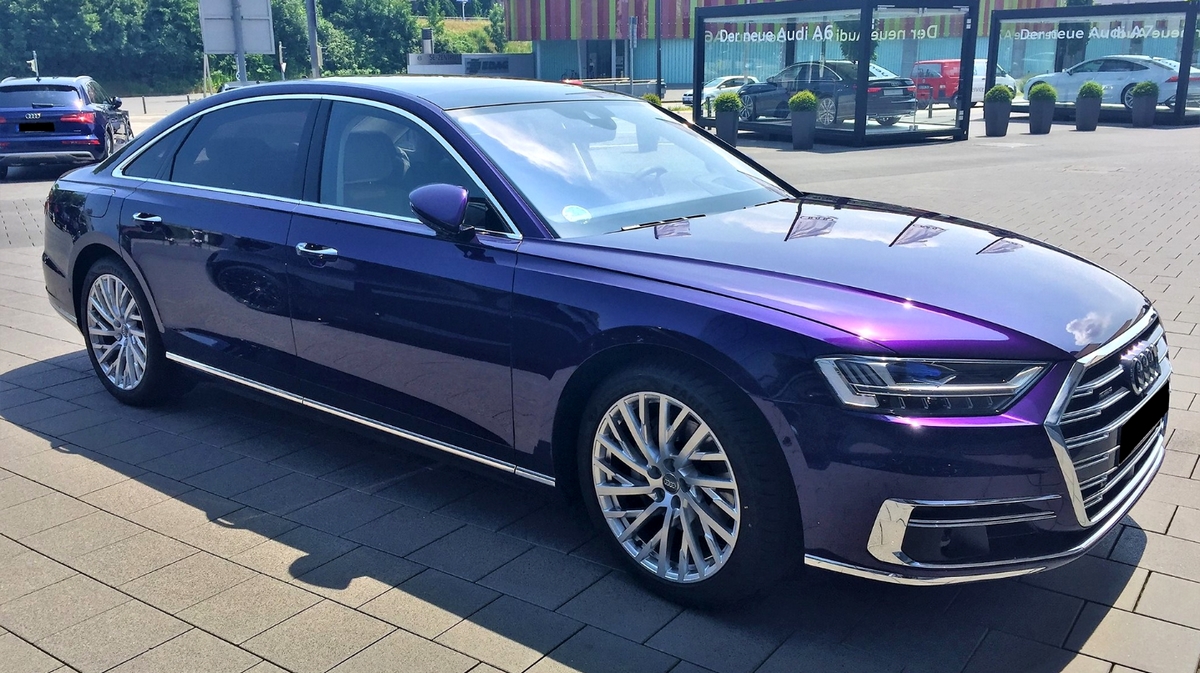
What you’re seeing here is a Velvet Purple exterior, courtesy of Audi Exclusive.The color is by no means new to Audi, but this is one of the few times we’ve seen it on the all-new A8. In fact, the only other time we saw this car wearing this particular shade of purple was during one of its first video reviews, last Autumn.
According to the Audi Forum in Neckarsulm, this A8L is the 50 TDI quattro version, which we all know is powered by a 3.0-liter V6 turbo-diesel unit, producing 286 PS (282 HP) and 600 Nm (443 lb-ft) of torque. It’s enough to send this 5.3 meter (17.3 ft) long two tonne (4,400 lbs) car from zero to 100 km/h (62 mph) in 5.9 seconds Source: https://www.autonews-mag.com/audi-passion/exclusive-audi-a8l-in-velvet-purple
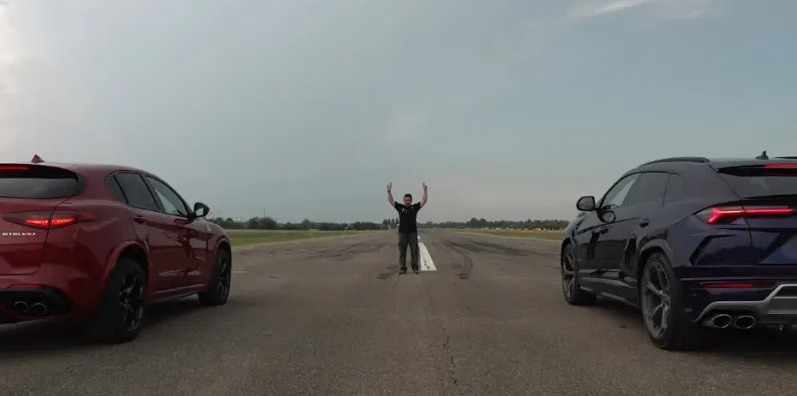
Alfa Romeo Stelvio Quadrifoglio VS Lamborghini Urus
Despite the fact that the Alfa Romeo Stelvio Quadrifoglio belongs to the same class as the BMW X3 M and Mercedes-AMG GLC 63, it has enough grunt to threaten even the quickest and most costly crossovers like the Lamborghini Urus for instance.
There’s no doubt that the Alfa can do that. It’s all thanks to some Prancing Horse’s DNA that the SUV has. In fact, under its hood lies a Ferrari-engineered 2.9-liter twin-turbo V6 heart which allows it to have such cross-the-line performance. Output is rated at 503 horsepower and 443 pound feet of torque. That is good enough to send the Quadrifoglio from zero to 62 mph in 3.8 seconds, before maxing out at 176 mph.
The Quadrifoglio rides on the identical underinnings as the Giulia whereas the Lamborghini Urus has the same architecture as some VW Group’s mid-size premium crossovers. The Urus is also larger in size and heavier. And not to mention that it’s more costly than its rival.
To be fair, it has incredible driving dynamics and is powered by a potent 4.0-liter twin-turbo V8 punching out a staggering 641 horsepower and 627 pound feet of torque. You don’t need to question the quickness of this monster. It clears 62 mph in 3.6 seconds. An unofficial test revealed last year that the Lambo is even faster than that, completing the sprint in just 3.43 seconds. Its official top speed is also higher than the Alfa at 190 mph.
On paper, it seems like the Urus easily wins the battle as it’s quicker and more potent. However, winning an actual drag race requires more than just power and speed figures. Even though an engine can be considered the heart of a vehicle’s performance, it’s the driver who plays the role of the performance’s soul. So the driver is also an important factor here. To find out more clearly which one comes out victorious in this fight, just watch the video below.
Sve je opularniji trend estetske hirurgije, a plastične operacije sada su zamenili fileri i hijaluron, razni tretmani ubrizgavanja koječega, neki smatraju to otrovima, dok ih drugi smatraju apsolutno bezbednim i odaju im svoju naklonost.
Videćemo šta ćete misliti o pomenutoj vrsti tretmana kada čujete Anastasijinu priču i da li ćete ostati njihov pobornik ako ste to bili ranije.
Anastasija Pokreschuk (31) je do nedavno bila obična devojka, ali to nije volela kod sebe.
Tada je došla na ideju da kosu ofarba u ciklama upadljivu boju, a kako joj ni to nije bilo dosta, rešila je da poklekne pred jednim od ovakvih trendova.
Anastasija je u svojoj trideset prvoj godini rešila, osim da promeni izgled, da promeni i profesiju, a kako i sama kaže, bila je svoj prvi pacijent, odnosno pacijent i higurg u isto vreme.
Ova, već zrela devojka, odlučila je da ubrizga filere i time poveća svoje jagodice, ali joj se krajnji ishod i posledica nisu dopali.
Najore od svega nije čak ni to što se njene nove jagodice i obrazi nisu dopali skoro nikome, već i što je ugrozila svoje lice koje je ostalo izdeformisano, a glava prenaglašena.
U fokusu će biti mere za Beograd, kao grad u kojem je najveći broj zaraženih
Broj zaraženih korona virusom se povećava iz dana u dan kako u regionu i Evropi, tako i u Srbiji. Tim povodm Krizni štab za borbu protiv kovida 19 sutra će održati sednicu na kojoj će raspravljati o trenutnoj epidemiološkoj situaciji, kao i o eventualnom pooštravanju mera. Koje su zabrane na stolu?
Kako nezvanično saznajemo, u fokusu će biti mere za Beograd, kao grad u kojem je najveći broj zaraženih.
Izvor “Blica” kaže da iste mere svakako neće važiti za celu teritoriju Srbije, već će varirati od grada do grada. Ondosno, lokalni krizni štabovi i lokalne samouprave donosiće one mere koje odgovaraju epidemiološkoj situaciji tog dela Srbije, ili ih neće donosti ukoliko za tim nema potrebe.
Od jučerašnjeg drastičnog povećanja korona brojki veliki deo medicinskog Kriznog štaba danas je u više gostovanja govorio o mogućem uvođenju pojedinih mera ili korekciji postojećih. Šta se sve pominjalo što bi koliko sutra moglo da postane mera?
Epidemiolog i član Kriznog štaba Predrag Kon je gostujući na televiziji Hepi rekao da ne postoji broj zaraženih koje treba dostići da bi se mere pooštrile.
On, međutim, nije isključio mogućnost uvođenja zabrane kretanja, ali da bi to “prvenstveno trebalo da bude na lokalu u zavisnosti od epidemiološke situacije”.
– Vanredno stanje kao vanredno stanje teško da može da bude opcija, ali to ne znači da ćemo ostaviti ovako i da neće biti mera zabrane kretanja u nekim situacijama. Nećemo mi pustiti da se virus prenosi, a da mi ne preduzimamo ništa – kaže on.
2) Skraćeno radno vreme lokala i radnji
I upravo je govoreći o zabrani kretanja na lokalu, dr Kon pomenuio da su lokalni štabovi ti koji mogu da donesu određene mere koje se mogu razlikovati od onih koje važe na nivou cele države.
Takav je, recimo slučaj sa Trstenikom, koji je proglasio vanrednu situaciju i skratio rad ugostiteljskih objekata sa 23 na 21 sat.
Suština je, objašnjava epidemiolog da se spreči ponašanje u kojem dolazi do maksimalnog prenošenja virusa.
Svako na lokalu, tako, može da odredi do kada bi ugostiteljski i trgovinski objekti u određenom gradu ili opštini trebalo da rade.
3) Okupljanje manje od 30
Takođe, u zaviosnosti od spcefične epidemiološke situacije, svaki lokalni štab ima pravo da donese svoje odluke o dozvoljenom broju ljudi kada su okupljanja u pitanju.
– Tako, na primer trenutno je preko 30 ljudi zabrana okupljanja, a to može da se spusti i na 5 ili na potpunu zabranu, mada ovo poslednje nije realno – rekao je on.
A da su okupljanja veliki problem, rekao je danas ministar zdravlja Zlatibor Lončar.
– Dali smo lokalnim samoupravama slobodu da procene situaciju, a onda su njihovi krizni štabovi počeli da daju specijalne dozvole sugrađanima da prave veselja, svadbe i ostalo. Ono na čemu ćemo insistirati da se takve dozvole ne daju, ne može više niko da vam da dozvolu. Zakon važi za sve, do 30 ljudi preko 30 idemo na odgovornost lokalne smaouprave i onih koji krše mere – naglasio je Lončar.
4) Zatvaranje pozorišta i bioskopa
Mera koja bi među prvima mogla da bude sprovedena u delo svakako se vezuje za ukidanje okupljanja na kulturnim dešavanjima. To je pomenuo i član Kriznog štaba epidemiolog Branislav Tiodorović.
– Mi u unutar zemlje nemamo neki veliki izbor – ovo što već postoji, to se primenjuje. Ako broj zaraženih bude rastao, možda ćemo morati da preduzmemo neke korake, poput zatvaranja pozorišta, bioskopa… Jer ne smemo se opuštati. Recimo, šta se dešava u Holandiji, koja je imala dobre podatke – javlja se povećanje, skok se javlja i u Nemačkoj. Mi smo dobijali kritike za uvođenje policijskog časa, a vidite koliko njih je sada uvelo tu meru. I u Belgiji i u delu Holandije, Italije, Španije očigledno su uvideli da sve sada treba vratiti na najoštrije mere – istakao je on.
5) Zatvaranje granica
Iako su granice Srbije otvorene, u ovom trenutku se ne zna da li će biti uvođenja novih mera prema onima koji ulaze u zemlju.
– Mi smo sada u dilemi da li treba uvoditi dodatne mere, da li će one biti selektivne, ja sam siguran da mi ne možemo da uvedemo mere u odnosu na naš narod koji dolazi i boravi ovde. U našu zemlju dolaze ljudi koji rade ovde ili imaju rođake, moraćemo pažljivo o svemu da razmislimo. Mi smo i u ovom trentuku bez obzira na povećanje i dalje u najboljoj poziciji, pa ako možemo, bilo bi dobro da i dalje vodimo računa o tome da poštujemo mere, jer rezultat svega ovoga je to što dobar deo stanovništva pošutuje mere – zaključuje profesor Tiodorović.
6) Maske i na otvorenom
Ipak, najizvesnija svakako je uvođenje mere nošenja maski i na otvorenom. Još jedan član Kriznog štaba se danas oglasio po tom pitanju – imunolog Srđa Janković, doktor koji od 6. marta masku skinuo nije.
On je na TV Prva rekao da u zatvorenom prostoru uopšte nema diskusije da je maska neophodna i poručio da su fizička distanca i maske okosnica prevencije zaražavanja i obolevanja, i prevencije umiranja od bolesti kovid 19.
– Nošenje zaštitnih maski uskoro će biti obaveza i na otvorenom prostoru kada dolazi do kontakata – rekako je imunolog dr Srđa Janković.