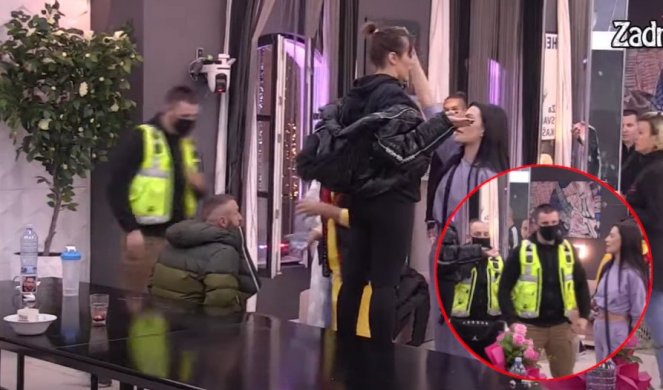
Posle burne rasprave, članovi Saveta Regulatornog tela za elektronske medije (REM) nisu usvojili nacrt pravilnika prema kojem bi rijaliti programi prešli u noćni termin, jer je od osam članova Saveta za tu odluku glasalo četiri, dok su četiri bili protiv.
Umesto pravilnika na današnjoj sednici Saveta REM-a, usvojena je odluka da službe regulatora urade nadzor nad takvom vrstom programa koji se trenutno prikazuju.
Članovi Aleksandra Janković, Radoje Kujović i Aleksandar Vitković koji nisu prisustvovali prethodnoj sednici na kojoj je odlučeno da se donese obavezujući pravilnik REM-a koji predviđa da vreme za rijalitije bude od 23 uveče do šest sati ujutru, usprotivili su se njegovom usvajanju, prenosi UNS.
Dok su jedni tvrdili da je u rijaliti programima dokazano kršenje zakona, drugi članovi Saveta REM-a rekli su da to mora biti potkrepljeno dokazima i činjenicama, da se može govoriti čak i u uvođenju cenzure, što može da pređe i u informativne i sportske programe.
Usvajanje nacrta pravilnika osporavano je zbog pravnog utemeljenja, postojanja zakona i pravilnika koji već staju u zaštitu maloletnika i ljudskog dostojanstva.
Višnja Aranđelović, članica Saveta REM-a smatra da je to telo napravilo “korak unazad” ukoliko nacrt pravilnika ne bude usvojen, kao i da vremensko ograničavanje takvih programa predstavlja civilizacijsko i pitanje kakvo društvo želimo.
– Nepristojno je reći da imamo daljinski i da možemo da promenimo program. Šta mi onda ovde radimo, ako imamo daljinski? Mi smo tu da uredimo javni prostor – rekla je Aranđelovićeva, koja je navela i da je nedovoljno prikrivanje tona (bipovanje) kada se rijalitiji emituju u dnevnim terminima za uređivanje takvog programa.
Ona je istakla i da je REM televiziji Hepi dodelio dozvolu za emitovanje dečjeg programa, da takav na toj televiziji ne postoji i da umesto dečjeg stalno gledamo rijaliti programe.
Aleksandra Janković, međutim, rekla je da u potpunosti “podržava zaključak pravne službe REM-a koja konstatuje da se nijedan programski sadržaj ne može unapred smatrati štetnim po razvoj maloletnika” i da “impresionistički i voluntaristički” pristup vodi ka “cenzuri i logičnom apsurdu”.
– Donošenjem pravilnika o ograničenju emitovanja rijalitija bez zakonske osnove i obrazloženja koje bi moralo da se zasniva na detaljnoj analizi, uvodi nas u pravne probleme. Obrazloženje mora biti zasnivano na činjenicama, a ne ličnim afinitetima, animozitetima – rekla je Jankovićeva.
Ona je iznela predlog da se trenutno ne nastavlja procedura donošenja pravilnika i da umesto toga služba REM-a uradi nadzor nad rijalitijima koji se trenutno prikazuju, kao i da ih “strogo propusti kroz prizmu pravilnika o zaštiti maloletnika i ljudskog dostojanstva”.
Sa ovakvim predlogom bio je saglasan i Radoje Kujović, koji je rekao da se time ne gubi na vremenu u regulisanju ovakvog programa.
– Pravilnici koji regulišu ovu oblast postoje. Unapred davanja primata predlogu za koji je glasalo pet članova Saveta REM-a nije potpuno sagledavanje ove materije – rekao je on.
Ovom predlogu oštro su se protivili Zoran Simjanović i Judita Popović.
– Ako ćemo ponovo da otvaramo pitanje da li je potrebno da se rijaliti programi prisilnog okruženja izmeste iz dnevnog programa u noćni, šta smo mi uradili? Imali smo i pravilnik i zakon, ali očigledno da se ovi propisi nisu primenjivali u zaštiti maloletnika. Nemamo prava da promovišemo tu vrste kulture – rekla je Popovićeva.
I Goran Petrović, zamenik predsednika Saveta REM-a, izneo je stav da postoje pravne prepreke za usvajanje pravilnika prema kojem bi rijaliti programi prisilnog okruženja bili vremenski ograničeni.
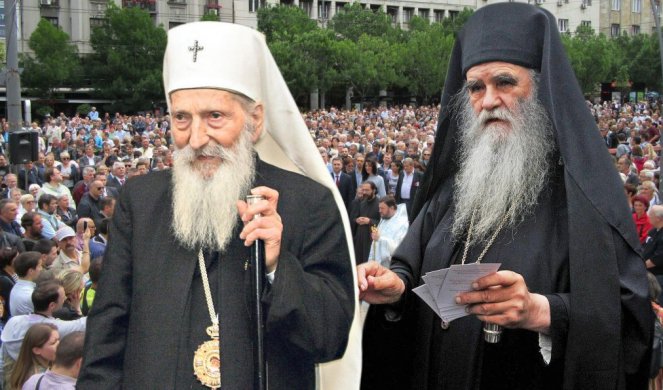
Upokojeni mitropolit crnogorsko-primorski Amfilohije sahranjen je u nedelju u Sabornom hramu u Podgorici, a kripta u kojoj počivaju njegovi zemni ostaci posuta je zemljom sa Kosova, Morače i iz Jasenovca. Time su želje mitropolita koje je imao za života ispunjene. Da li će biti ostvarena i želja vernika da voljeni počivši mitropolit dobije status sveca Na ikonama sa zlatnim oreolom mnogi vernici voleli bi da vide i blaženopočivšeg poglavara SPC, patrijarha Pavla.
Da bi neko bio kanonizovan, odnosno proglašen svetim, ne postoje ni specijalna pravila ni žurba, ali je potrebno da bude ispunjen jedan od uslova – mučenička smrt, kult u narodu, javljanje čudom ili da mu mošti nisu istrulile.
Ko može da postane svetac?
Svetitelji su većinom monasi, monahinje, episkopi, ali ima i civila, vernika, građana, odnosno ljudi koji su vodili hrišćanski život ili život po Jevanđelju – svet, čist, čestit i uzoran život.
Svako može da predloži, ali ne i da odluči
Procedura proglašenja za svetitelja u Srpskoj pravoslavnoj crkvi odvija se preko najvišeg tela Crkve – Svetog arhijerejskog sabora.
Ovaj organ jedini je nadležan da proklamuje kanonizaciju.
Svako može da predloži da neko bude proglašen svetim, ali je uobičajeno da se stvori kult u narodu da je neko svetitelj, a na Crkvi je da u periodu od više godina i decenija proceni da li je taj kult dovoljno učvršćen i da li zaista postoji.,
Veoma retko ili gotovo nikad se ne dešava da neko bude proglašen svetim ubrzo posle smrti, već se to uglavnom događa decenijama, pa i vekovima kasnije.
Dva preduslova
Crkva ne žuri u tom postupku, a potrebni su određeni preduslovi, među kojima su važnija dva – isceljenje bolnih koji su mu se molili ili da su zemni ostaci, mošti, ostali neraspadnuti.
– I sam patrijarh Pavle bio je veliki protivnik brzih kanonizacija. Protivio se svakoj brzopletosti, posebno kada je reč o budućim svetiteljima – naveli su ranije iz SPC.
Uobičajeno je da, kada „kandidat” umre mirno, postaje „prepodoban ili pravedan”, a ako je postradao mučenički za veru, onda se proglašava svetim mučenikom.
Lestvica svetih SPC
Lestvica svetih SPC ima sedam stepenika i na vrhu su svetitelji – pobožni srpski episkopi, mitropoliti i patrijarsi koji su na zemlji živeli po svetim i božanskim istinama, sveti – svi ostali carskog i drugog porekla, koji su svojim životom i radom i podvigom ispovedali Hrista, zatim sveštenomučenici – episkopi i sveštenici koji su postradali u mučenjima za veru Hristovu, kao i velikomučenici – oni koji su pretrpeli najteža stradanja za pravoslavnu veru i SPC.
Slede prepodobnomučenici – monasi i podvižnici koji su stradali za Crkvu Hristovu, mučenici – oni koji su postradali zbog svoje pravoslavne vere i srpskog roda i prepodobni – oni koji su svojim pobožnim i podvižničkim životom zadobili milost Božju.
Srpski svetačnik sve bogatiji
Srpski svetačnik sadrži više od 120 imena iz različitih perioda istorije, od 11. veka do današnjih dana. Poslednjih dvadesetak godina znatno je dopunjen. Poslednji čija su imena pre dve godine upisana u Diptih svetih su kosovski mučenici Grigorije Pećki, Vasilije Pekar iz Peći i Bosiljka Rajičić iz Pasjana kod Gnjilana.
Nešto ranije među svetitelje su uvršteni Sveti mučenici prebilovački (njihov spomen slavi se 6. avgusta), Sveti Mardarije (Uskoković), episkop američko-kanadski (12. decembra), i prepodobni Sevastijan DŽeksonski (Dabović), koji se obeležava 30. novembra. Pre njih, krugu svetih su pribrojani Sveti mučenici momišićki, Sveti Justin Popović i otac Simeon iz manastira Dajbabe.
Heroji Ognjen Todorović (38) i Nenad Stanković (18) odlučili su se na nesvakidašnji gest i donirali su u četvrtak kožu Minji D. (15), koja je zadobila teške opekotine trećeg stepena u požaru koji je izbio pre nekoliko dana u njenom stanu u Ulici Visokog Stevana, na Dorćolu u Beogradu. Ovi junaci, od kojih je jedan Minjin drug i jedva punoletan, nisu čekali ni časa, već su se odmah nakon apela za pomoć uputili u bolnicu i bez ustezanja prijavili se da budu donori.
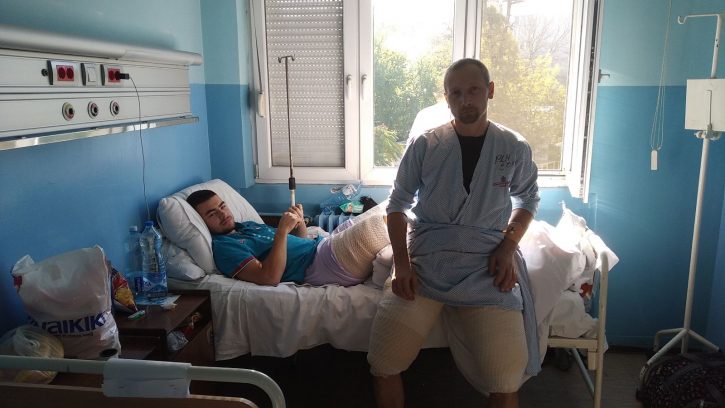
Njihov gest oduševio je sve, a u razgovoru za portal Nova.rs mladići kažu da bi trebalo da svako učini ovako nešto, jer je reč o velikoj tragediji i svako mora pomoći onoliko koliko može. Dok leže u bolničkim krevetima Klinike za opekotine, plastičnu i rekonstruktivnu hirurhiju u Zvečanskoj i čekaju na previjanje kažu da nisu razmišljali ni trenutak, već da su odmah odlučili da doniraju kožu.
u najboljem, kao i mi”, kaže Todorović za naš portal.
Sa druge strane, Stanković, koji je pre samo pet meseci napunio 18 godina i koji se druži sa Minjom, kaže da je došao dobrovoljno i da je najpre imao probleme zbog godina.
“Inače, mi smo porodični prijatelji, moja tetka i Minjina majka se druže. Baš mi je žao zbog svega što se desilo. Nisam razmišljao ni trenutak, odmah sam se uputio u bolnicu. Najpre nisu hteli mene, jer sam jedva punoletan, ja sam, inače, učenik četvrte godine srednje škole, ali su potom pristali”, kaže za Nova.rs ovaj hrabri mladić.
Kako navodi, on i drugi mladić još uvek imaju bolove od intervencije, ali oni su zanemarljivi, jer je u ovom trenutku najbitnija Minja i njeno zdravlje.
“U bolnici bi trebalo da budemo od sedam do 10 dana, ukoliko sve bude u redu. Nemam informacije kako je Minja, inače je poznajem i moram reći da je ona jedna sjajna devojka. Trenira odbojku, super je drugarica, zaista sjajna devojka”, kaže mladić i dodaje:
“Ne znam kako je ona trenutno, nadam se najboljem. Moram da kaže da njeni roditelji, uprkos svemu što ih je snašlo, svakog dana nas zovu po nekoliko puta da vide kako smo, da li nam nešto treba i slično. Ne znam šta bih rekao, osim svaka čast za ljude. Samo bih još dodao i da svako ko ima volju i želju trebalo bi da se odluči na ovakav korak i donira kožu. Ne daj Bože da se neko nađe u situaciji poput Minjine..”, kaže ovaj osamnaestogodišnjak.
Podsetimo, stravični požar dogodio se pre nekoliko dana u stanu u Ulici Visokog Stevana na Dorćolu. Vatru je najverovatnije izazvala zapaljena slavska sveća, a u trenutku kada je vatra buknula u stanu se nalazila devojčica (15), koja je ostala zaglavljena na terasi zapaljenog stana. Nju su u poslednjem trenutku spasili hrabri radnici sa obližnjeg gradilišta i zajedničkim snagama izveli spektakularno spasavanje.
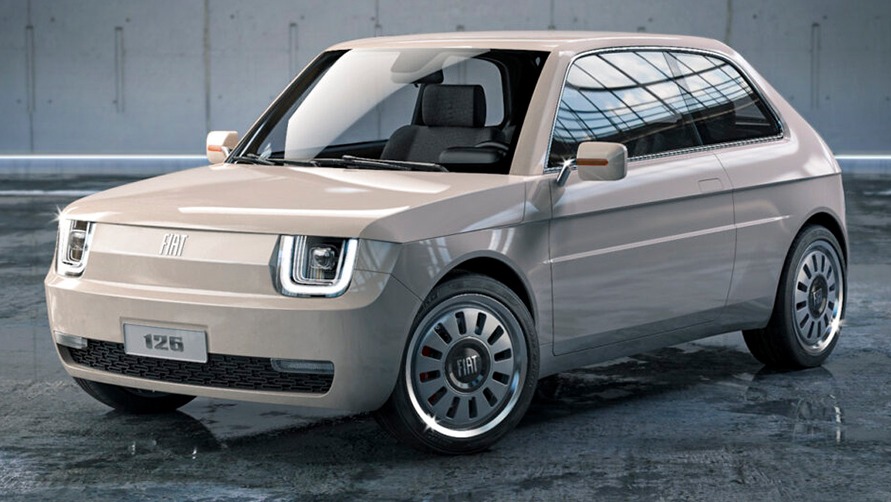
The onslaught of electrified automotive icons is far from over; although, we’ve had a tough time guessing which company (and model) will be the next to take on the sustainable transition. The most recent in a long line of vintage-inspired models to make their debut in 2020 is none other than the Fiat 126 Vision — an homage to the original model from 1972.
At over 4.7 million units produced, the 126 was one of Fiat’s most successful platforms. Despite this, it was removed from production lines in 2000 to make room for the brand’s sportier models. Now, 20 years later, MA-DE Studio designer Andrea Della Vecchia is showing us what it might look like if the Italian automaker returns to its roots for an electrified revision. Instead of designing the model from the ground up, MA-DE has remained relatively true to the vehicle’s original layout. A tapered roof, square silhouette, and subdued front-end pay homage to the retro 126, while simplistic badging and vintage mirrors accent the designer’s removal of the car’s original B pillar. Head to MA-DE Studio’s website for a closer look at the electrified 126 Vision.
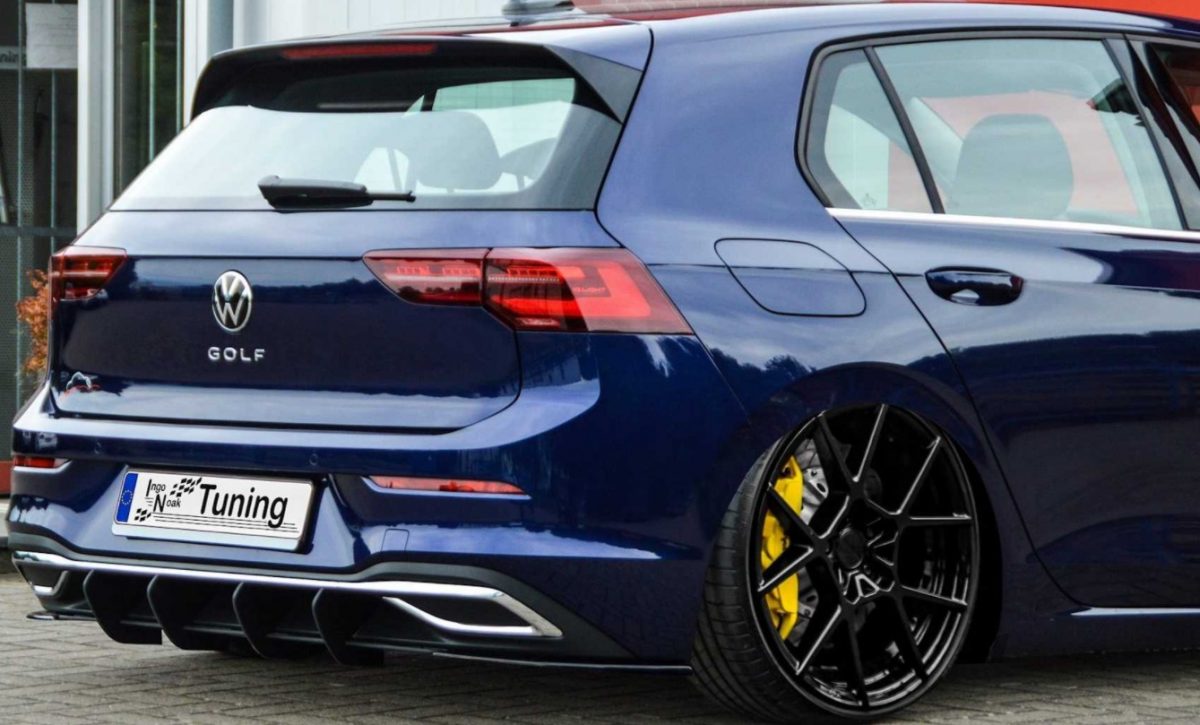
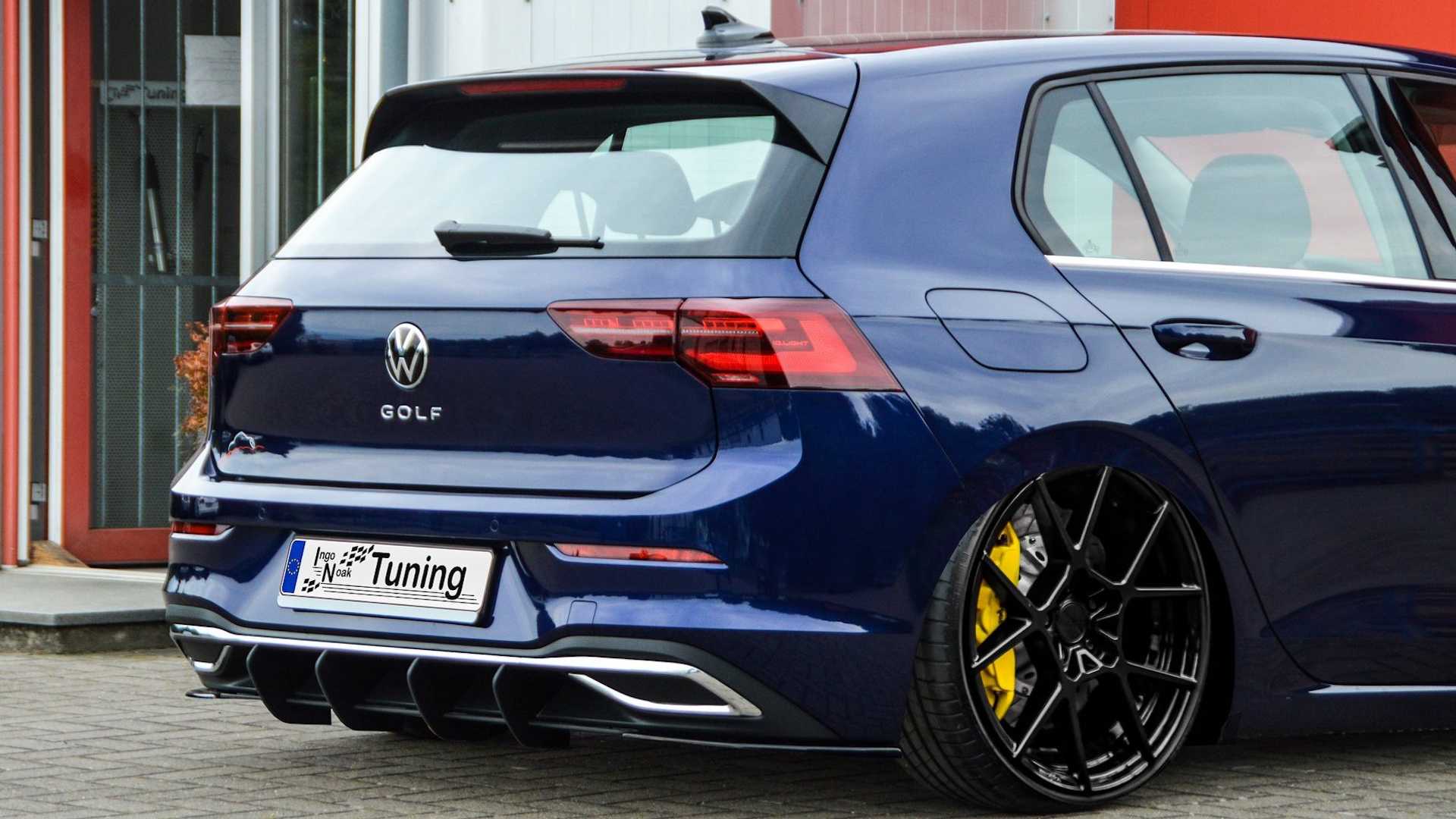
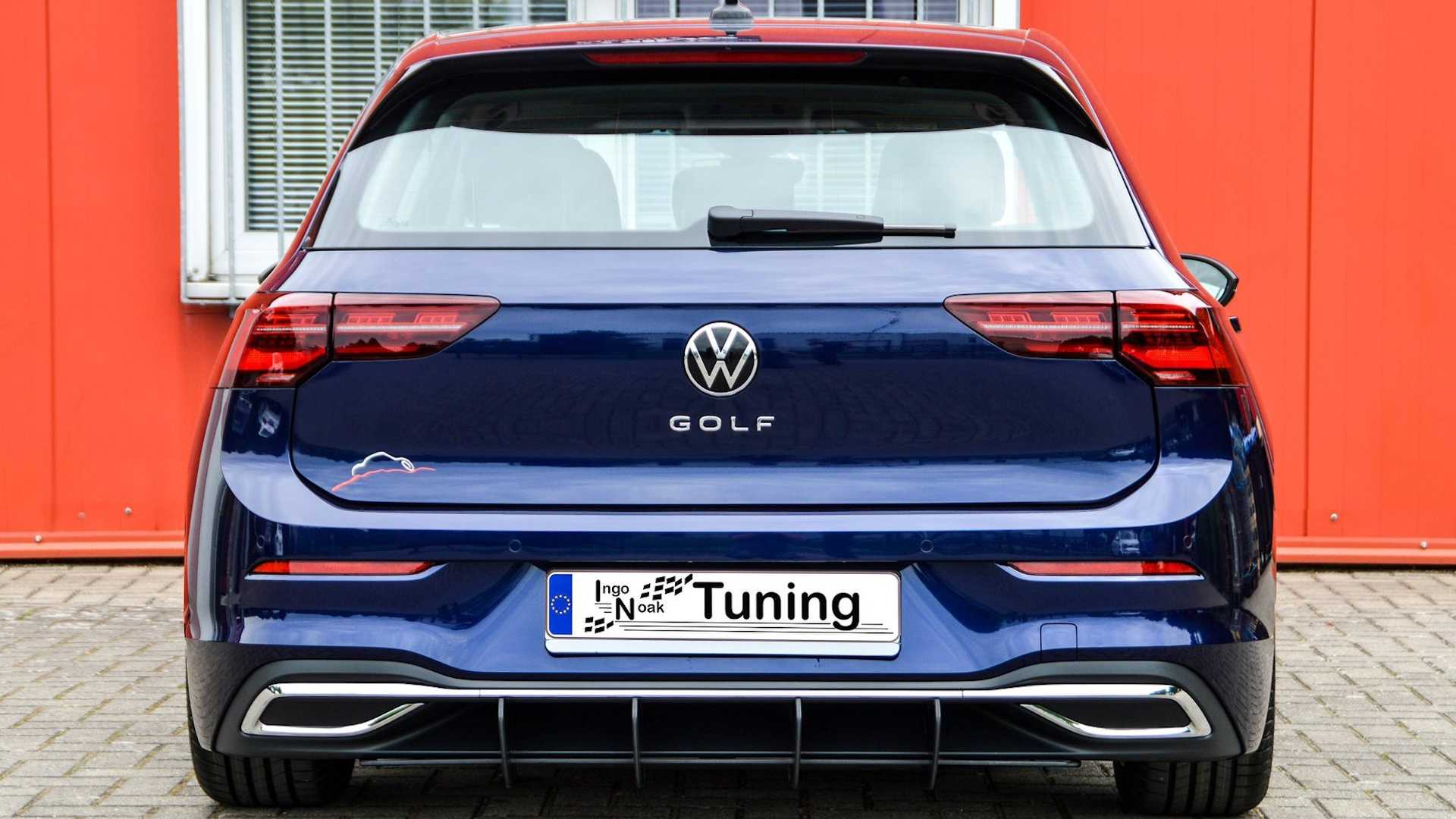
Many customers around the world received word that their Volkswagen Golf 8 delivery would be delayed due to some technical glitches as well as the Coronavirus pandemic but deliveries have now resumed and owners have options to give their hatchback a unique look.
Ingo Noak Tuning Factory in Germany can hook you up with this new body kit which is guaranteed to turn heads, especially in South Africa.
The kits were co-developed with Autohaus Gerken with most of the parts made from a thermoplastic polymer called acrylonitrile butadiene styrene or ABS. This means it is affordable in comparison to other materials with the front spoiler lip coming in at €159.
The body kit has been compliments by a set of large aftermarket wheels with some substantial dropping of ride height to give it that bagged / slammed look.
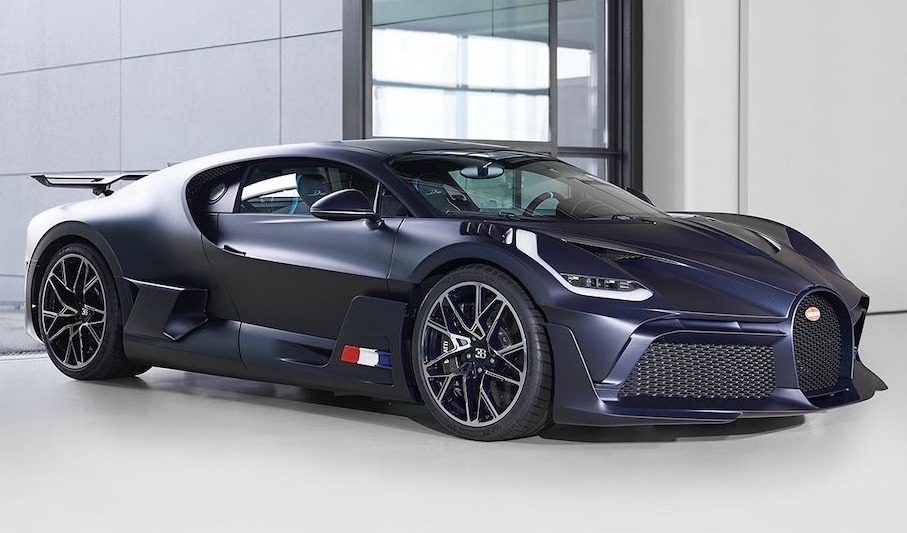
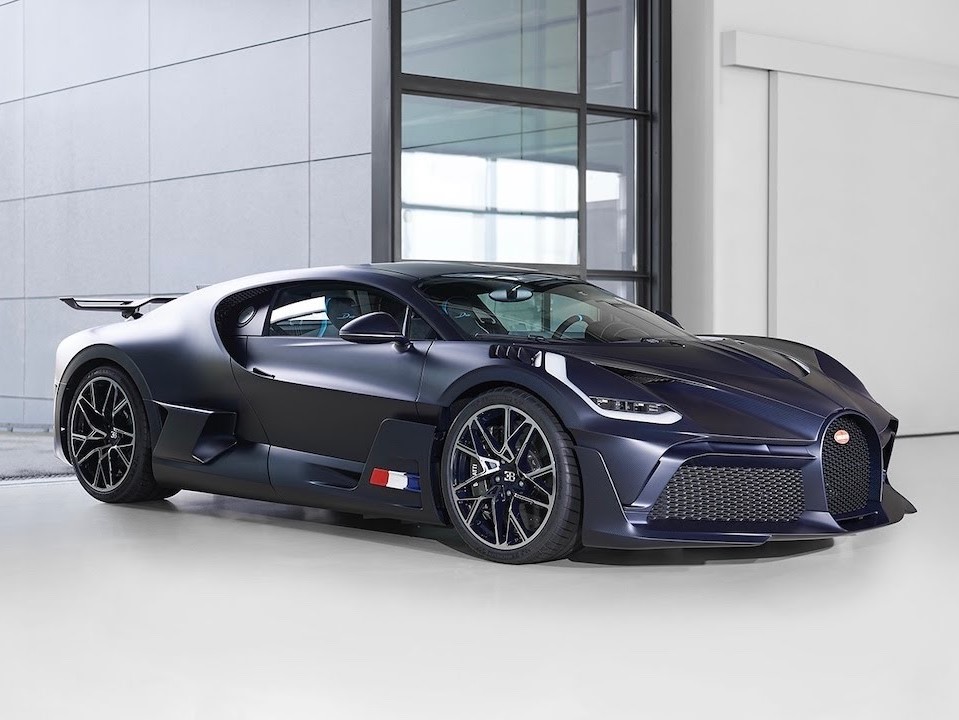
Earlier this year we saw the first Bugatti Divo to arrive in USA getting a sweet unboxing video from Miller Motorcars and they have not disappointed with another video of the R90 million hypercar.
The Bugatti Divo featured in this particular video is unique matte blue exposed carbon fibre example of the Divo, which is why it needs to make such a dramatic entry.
As a reminder, the Divo is based on the Chiron but focuses on improving handling as opposed to outright speed.
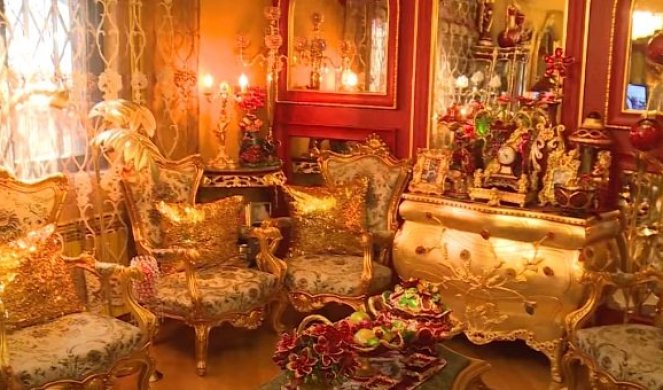
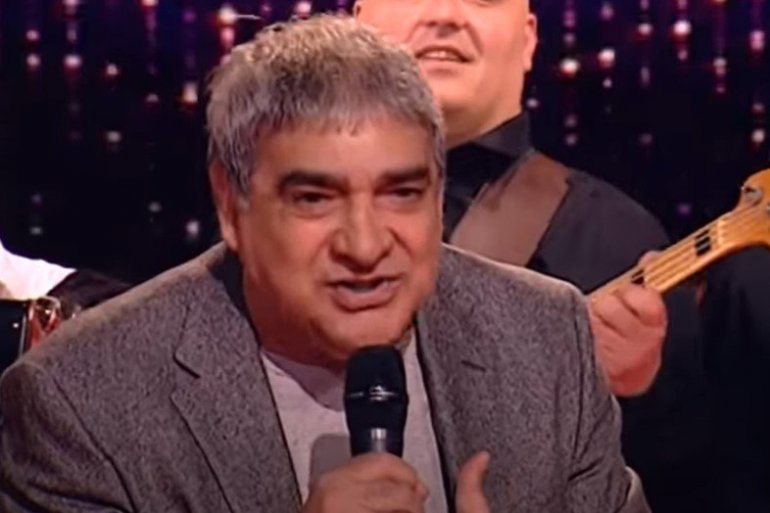
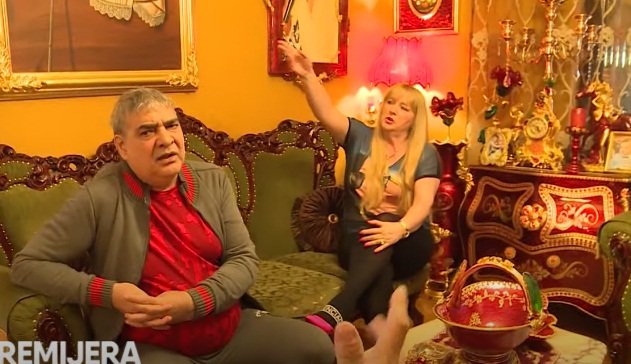
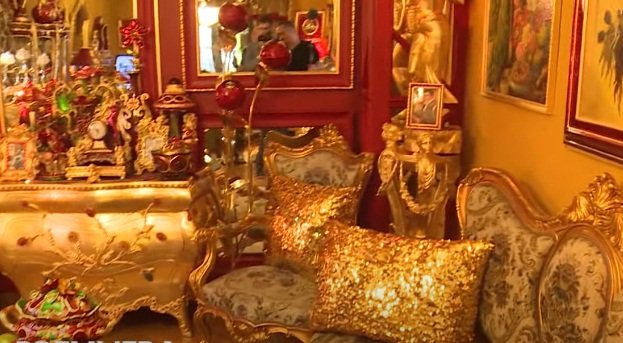
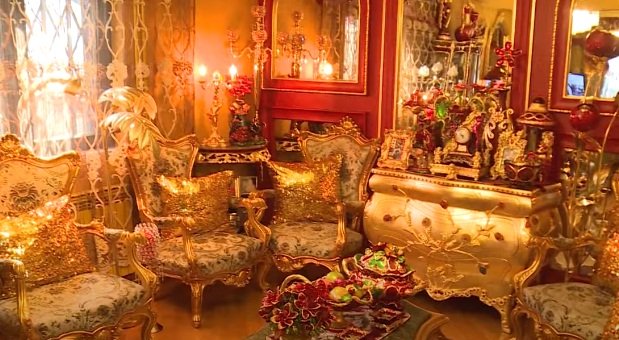
Folker Ljuba Aličić izgradio je vilu u Šapcu, koja navnodno košta čak pola miliona evra, pevač je jednom prilikom u emisiji “Premijera” pokazao kako izgleda njegov skupoceni dom.
Zidovi su crvene boje, a sobe su ukrašene slikama i pozlatom, koju prvu i primetite kada vidite.
Baš za njegovu vilu priča se da je jedna od najluksuznijih sa naše estrade, a Aličićeva žena Željana priznala je da je ona zadužena za svu tu dekoraciju.
– Sve sam ja sredila, zato je u zlatnoj bolji – rekla je Željana, pa su otkrili da su porcelan donosili iz Amerike, noseći ga u rukama, dok je nameštaj iz Egipta.
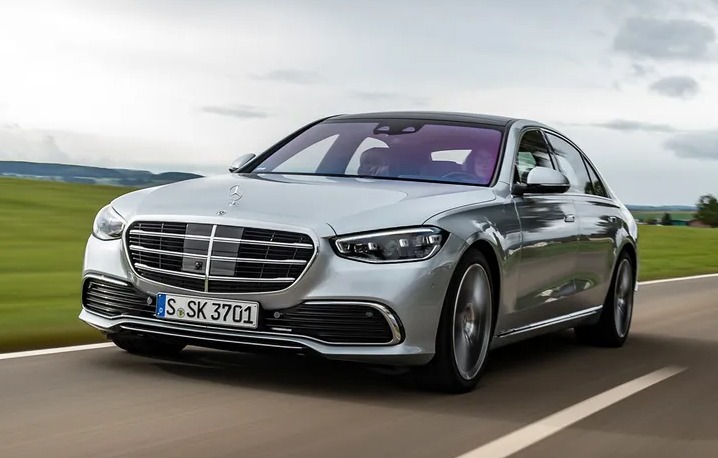
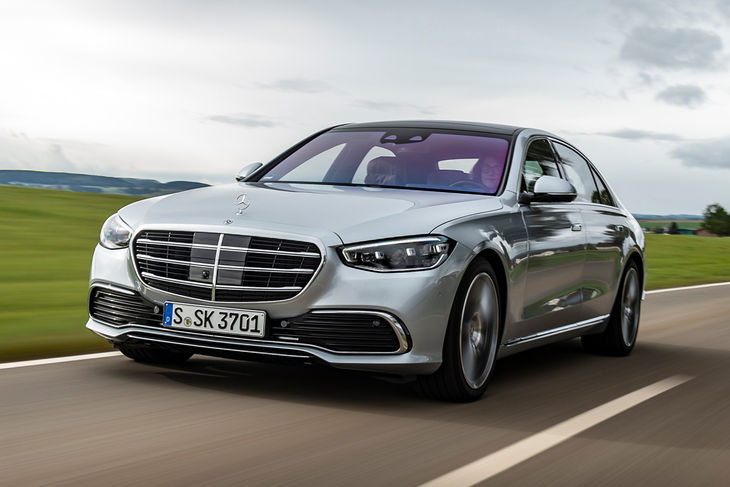
Mercedes-Benz has been building the world’s benchmark first-class sedan – the S-Class – for decades… and its superiority has hardly ever been challenged. Given the plethora of features incorporated in the W223 model, is the newcomer little more than a rolling tech showcase, or is it still the best in the business? Michael Taylor reports.
The Three-pointed Star has rarely produced a so-so S-Class; Benz aims to set new standards of automotive luxury with each new iteration of the model. Safer, more luxurious, more technologically advanced, more user-friendly, more intuitive and faster than it has ever been, the W223 is unquestionably the world’s best grand saloon and its pilots will have every right to look down on Audi A8 and BMW 7 Series drivers. Here’s why…
Although the S-Class seems extravagant in a time of austerity, it blends technology and comfort better than any of its peers.
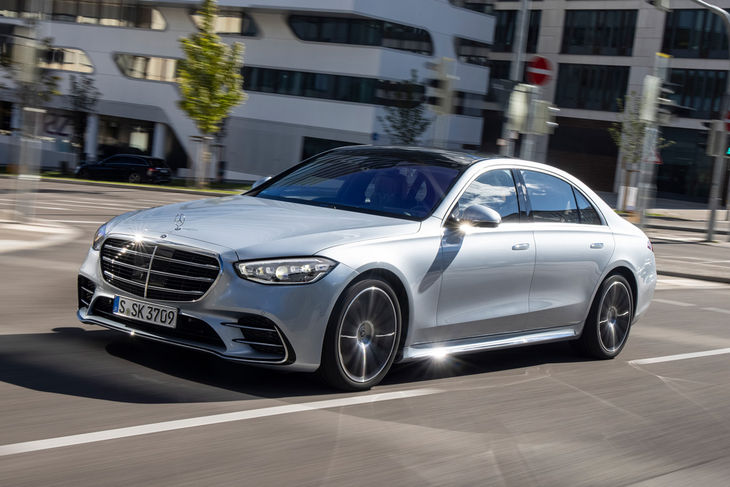
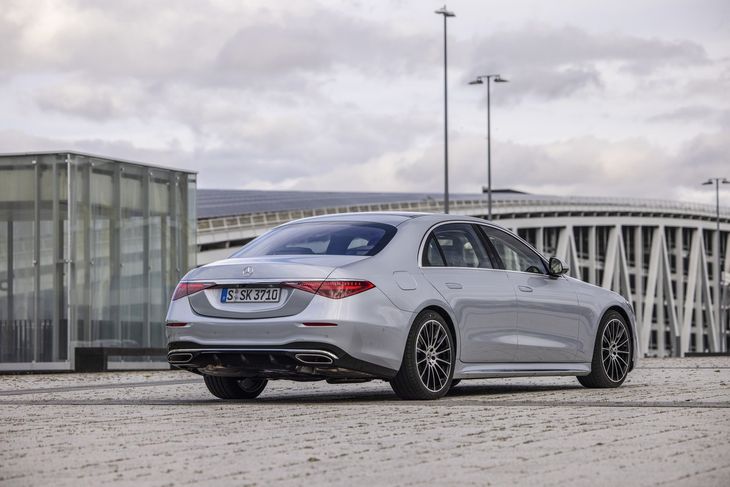
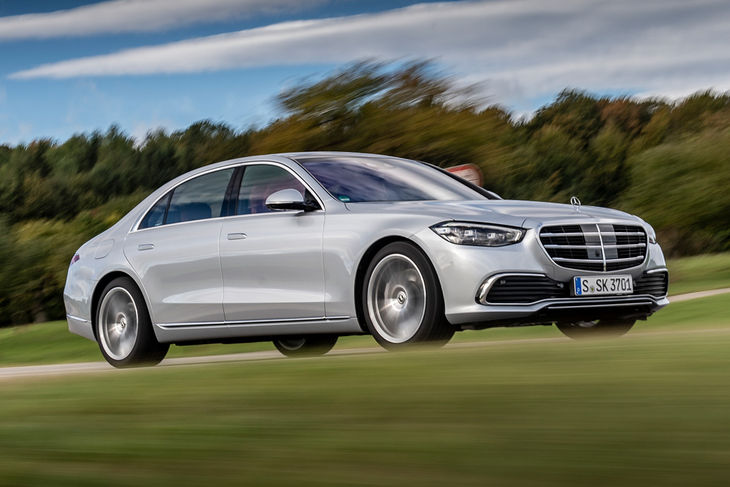
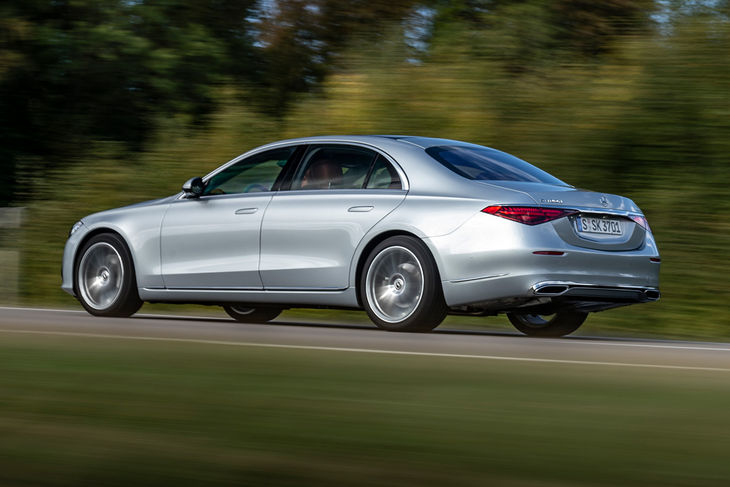
Aesthetically speaking, the W223’s shape represents a welcome throwback to a time when the flagship Mercedes-Benz carried a clean design that didn’t age through its flashy details. It’s an awfully big car, too, though it hides it well. It’s well beyond the 5-metre barrier, at 5 289 mm, and it’s broadened out to 1 954 mm, too. That means it’s 34mm longer, 55 mm wider and 12mm higher than the outgoing S-Class.
It would seem discussions over the front-end styling are dominated by Mercedes-Benz’s refusal to do anything as crass as putting its Three-pointed Star in the S-Class’s grille, probably because a clumsy black plastic rectangle of a radar receiver is already there.
Like with every unveiling of a new S-Class, chatter inevitably turns to the sedan’s styling; the W223’s lines are quite unfussy.
There will initially be five S-Class variants, ranging from the S450 and S500 petrol-powered in-line sixes to three turbodiesels, from the S350d to the S400d. The brilliant V8-engined S580 and the 100 km of pure-electric range from the plug-in hybrid S580e will join them midway through next year, although we add that the South African line-up has yet to be confirmed.
The boot capacity is a practical 550 litres (30 litres more than in the outgoing car) and you won’t be surprised to learn that the interior is, well, everything Mercedes-Benz can currently manage in terms of luxury and technology…
The S-Class’ adaptive air suspension has achieved new heights of dynamism, but also of bump absorption – it glides!
At the international launch in Stuttgart, we drove 4 versions of the S-Class: the S450, the S500, the S580 and the plug-in hybrid S 580e.
The entry-level derivative is hugely impressive, the mid-range S500 is usefully faster and the S580, well, is simply a divine piece of engineering. All of these are part-electrified (more commonly known as “mild hybrids”). All 3 cars feature an integrated starter generator (ISG), which uses a 48-volt electric system to harvest/regenerate energy from the braking system and help the engines with pull-away and overtaking acceleration.
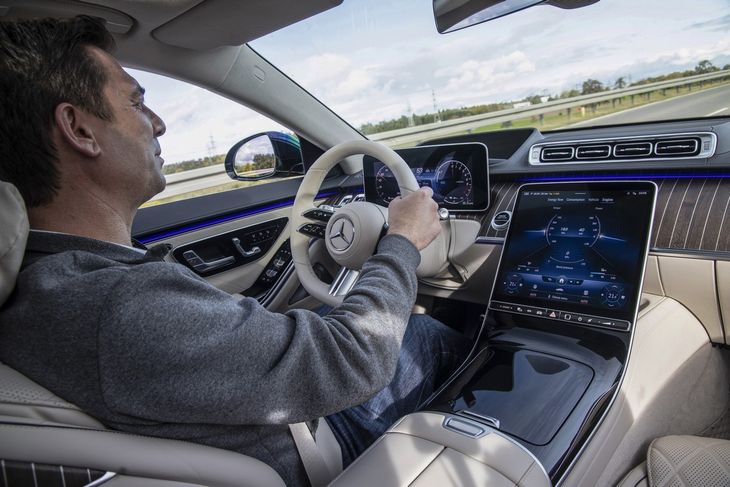
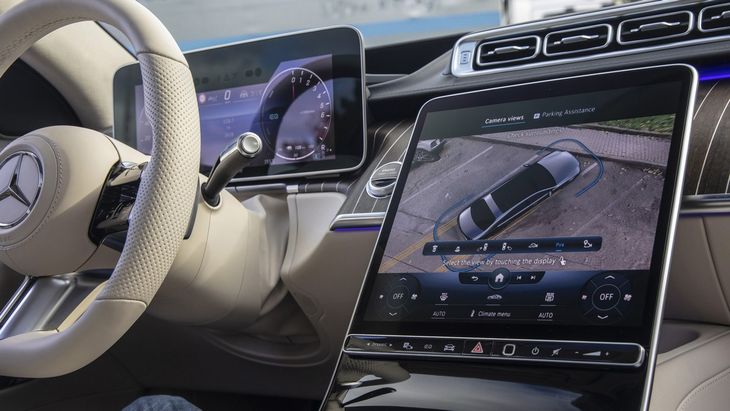
In future, instrument panels will be exactly that – thin rectangular tablets perched atop the dashboard.
This allows Benz to use smaller combustion engines. The S450 – a quality machine with more technology than we can possibly hope to cover here – is powered by a 270 kW/500 Nm version of Benz’s 4.0-litre, in-line 6-cylinder engine, which is mated to the ISG at the front and a 9-speed automatic transmission in the middle. It’s also the only petrol-powered S-Class available with rear-wheel drive.
It’s quicker than it has any right to be, too, ripping from 0 to 100 kph in 5.1 sec on its way to a limited top speed of 250 kph.
The S500 is more of the same, with exactly the same powertrain, boosted to produce peak outputs of 320 kW and 520 Nm, and it slips under the 5-second barrier to record 4.9 seconds to 100 kph.
The V8-engined S580 remains the star, but the even the “entry-level” S450 delivers refined, unflustered performance.
Then there’s the big boy, complete with a 370 kW/700 Nm 4.0-litre AMG-sourced V8 and mated to a 2nd-generation ISG, worth 15 kW and 180 Nm.
There are no figures on the S580 yet (for either acceleration or fuel consumption) and the only safe bet is that the derivative is electronically limited to 250 kph, but it feels like a low four-second car from standstill to 100 kph.
The gorgeousness of the S580 isn’t power and speed, though it has clearly more than enough of both. It’s so smooth, luxuriant, indulgent and sophisticated to drive that it just feels entirely in keeping with the rest of the S-Class’s engineering.
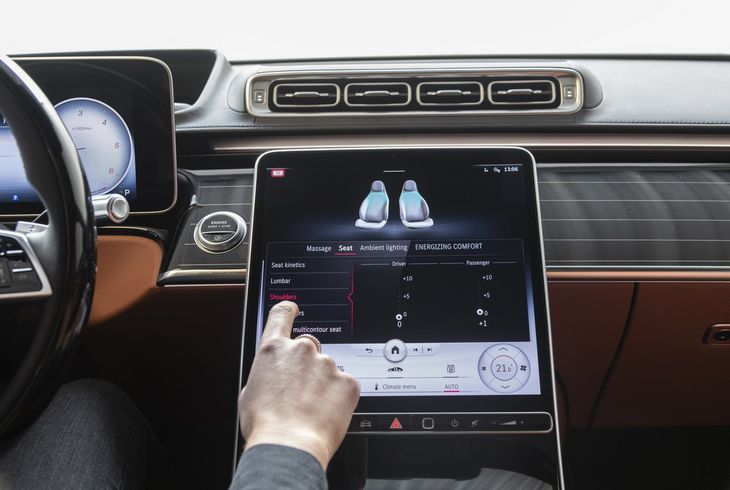
Mercedes-Benz realised that to give its infotainment screen maximum size/functionality, it had to stand proud of the fascia.
It’s an engine that begins quietly and stays that way. Although the exhaust note is beautiful when the motor is tasked with producing bursts of speed, it remains a relatively quiet one, lest it intrudes upon the ambience of the cabin…
It’s not just the engine that’s pouring on the honey, but the chassis. The adaptive air suspension system irons out basically every road imperfection up to 60 kph, then does its best to steamroll the rest. It can lean into corners – no, not exhibit body roll, slant like a motorbike – leading to cornering speeds that are downright ludicrous in a car like this, and it’s all an incredibly unflustered experience.
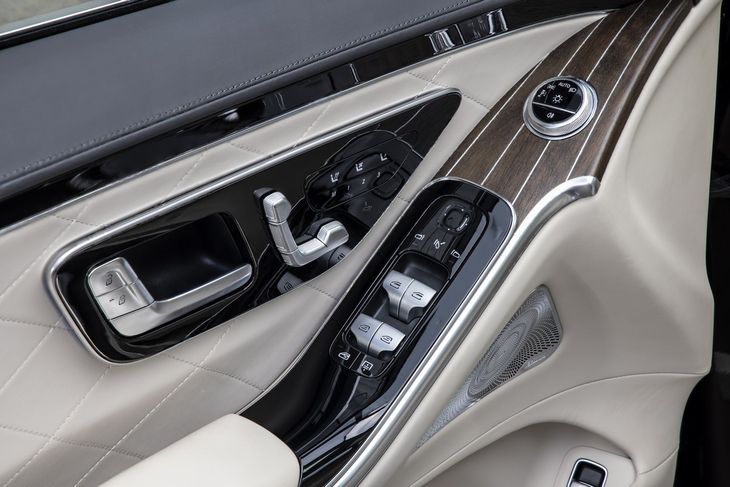
Stitched leather, metallic switchgear and gloss black inserts create a sumptuous ambience; note the redesigned seat controls.
Then there’s the rear end, where the new rear-wheel-steering option delivers 10 degrees of turn, slashing 2 metres from the turning circle, but also adding a whole new level of agility and stability on the road.
There is nothing the S580 does poorly (other than using an oddly squishy, 2-step brake pedal arc), although the transmission can sometimes catch itself for the occasional jerking downshift when it’s being driven quickly. The mild-mannered S450 is, oddly, less convincing, and so is the S500.
Inline-6 sound less than sonorous
The straight-sixes, so wonderful in other Benzes, feel coarser and harsher here, especially in their exhaust notes (cue sniggers from BMW loyalists). To put it another way, the 6-pots delivered gingham instead of the S580’s underlying carpet of silk, though their performances are strong. The S450 is strong enough in the mid-range to make me wonder why anyone would prefer the S500 above it, to be honest.
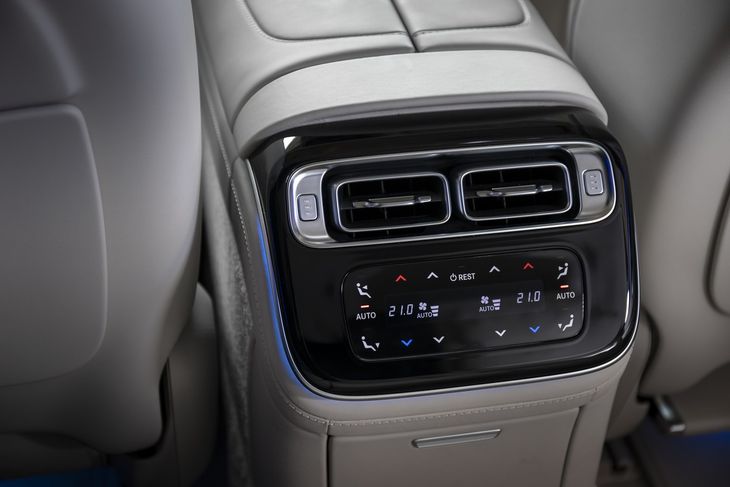
Four-zone climate control is a must-have in an S-Class; note the ambient LED lighting around the control console.
The rest of the S-Class seems to be an exercise in integrating disparate cutting-edge technologies that could have gone horribly wrong, but didn’t.
There are at least 20 new active safety features. The rear seats can be optioned with their own front airbags. The adaptive suspension raises the body just before a collision, to take the hit on the strongest part of the chassis. Even the seat bolstering shoves passengers away from any collision.
It has two front radars with 130 degrees of “vision”, a long-range front radar, a pair of rear radars, a front-facing stereo camera, a 360-degree camera and 12 ultrasonic sensors.
A pair of radars, a slew of cameras and a dozen ultrasonic sensors ensure that the S-Class has great visibility.
What’s more, by late next year there will be optional Level 3 driver assistance, where you just push a button and the car does the rest, but only up to 60 kph (as per an incoming EU rule). There is even the option of Level 4 in special situations, like in suitably updated car parks, where you can just leave the S-Class and walk away while it trots off to find and occupy a parking space on its own.
The instrument cluster has been upgraded with the option of 3-dimensional displays and augmented reality has found its way into the head-up display. And what about occupant comfort? The seats can be optioned up to carry 19 motors each, which offers ranges of longitudinal, height, angle, backrest and head restraint adjustment to seat cushion depth and even (for the front passenger) heel support adjustment.
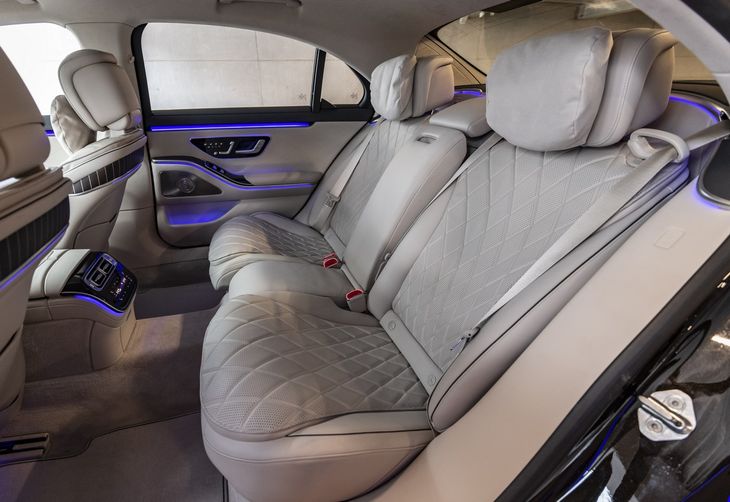
The flagship Benz model offers rear seat occupants ample legroom, but much adjustability and creature comfort too.
It takes tech from the previous range further in that there can be 4 vibration motors to massage each body in each seat, five fan motors, a motor for the lumbar support and another one for the adjustable side bolsters. It’s just absurdly comfortable and complicated without ever feeling complex.
Intuitive user interface
This all sounds awfully gimmicky, but it works – and works beautifully. The car is almost stunningly intuitive to use after 10 minutes to familiarise yourself with it, then you dive through all of the screen options in the large, new multimedia system like you’ve been doing it for years.
While all of this just works, the key to the S-Class has always been “seamless luxury”… and the new version delivers! This generation of S-Class has used all of its collective technology to charge ahead at luxury and comfort and ease-of-use. It’s a genius piece of development management.
If Benz can manage to put some smoothness back into those 6-cylinder engines, the car will be almost perfect, like the S580 already is. Expect the S-Class to arrive in South Africa in mid-2021, more details of the line-up, specification and prices will be published as they become available.