“Odjednom je počeo da se guši, voda mu je ušla u pluća…”
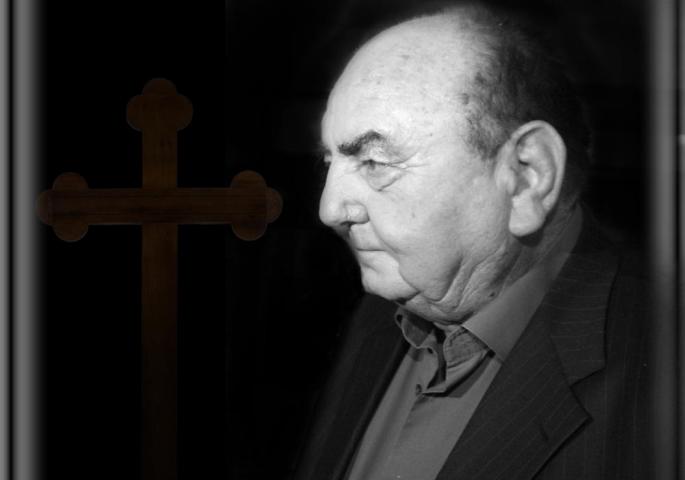
Bora Drljača, naš legendarni pevač, juče je preminuo na rukama svog sina Vladimira. Njegov sin kaže da se njego otac nije namučio te da je umro okružen najmilijima u svom domu u Beogradu.
– Tata je odjednom počeo da se guši, voda mu je ušla u pluća. Borio se do poslednjeg daha, ali nije uspeo. Brzo je otišao hvala Bogu, nije imao strašne bolove. Držao sam ga za ruke dok je umirao. U tim trenucima je pokušao nešto da mi kaže, ali nije mogao da priča. Preminuo je u krugu porodice. Pored njega su bili moja supruga Slavica, mlađi brat Matija i tatina rođena sestra Milica – pričao je Vladimir za domaće medije i dodao da je pevač već nekoliko meseci imao ozbiljnih zdravstvenih problema:
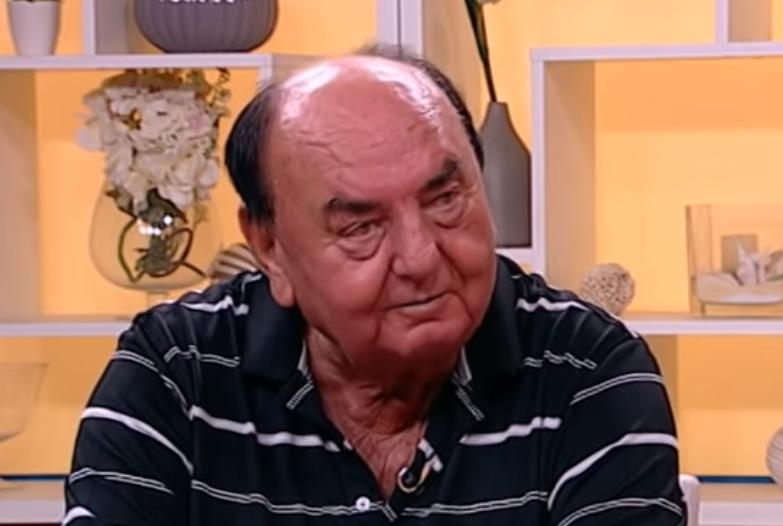
Bora DrljačaFoto: Youtube printscreen/Happy TV
– Tati je na debelom crevu dijagnostikovan maligni melanom, koji je počeo da se širi. Otišao je na mozak, pa je Bora išao na četiri, pet zračenja, a potom su ga otpustili kući. Otežano je pričao, dva puta je umeo da me pita za istu stvar – zaključuje Borin sin.
This must be the most efficient, least expensive solution.
If you own a car and like to drink stuff inside the cabin, you’re bound to spill some of that on the seats’ upholstery, sooner or later. If you don’t own a car, it will surely happen to you while sitting in someone else’s ride; and even if you’re careful with your drinks, some of your passengers might not be. It’s one of nature’s unwritten laws so deal with it.
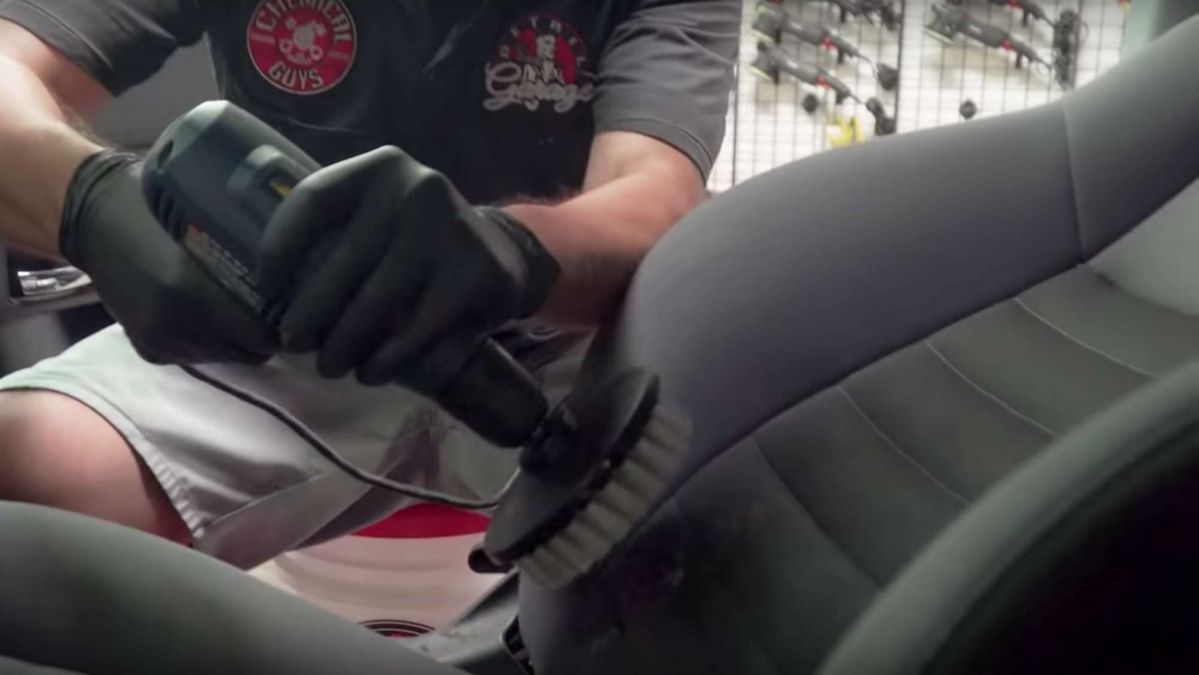
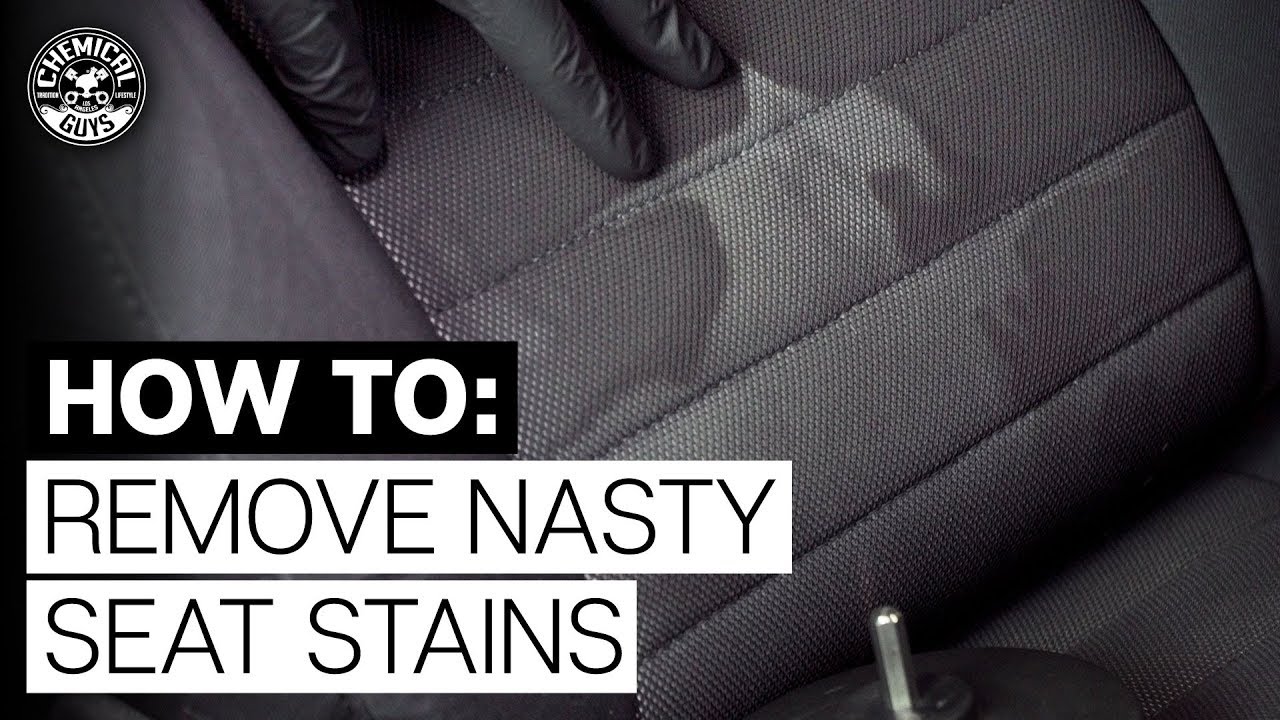
Now, as Nick from Chemical Guys will show you in this clip, there are other solutions besides purifying the car with fire or, worse, paying a lot of money for a detailing job. All you need is a solution called Lightning Fast and a bristle brush attached to a driller (but the driller is optional).
It would be redundant to explain what happens next in the video below. Plus, there’s the risk of not wanting to see the video afterward (and, implicitly, missing out the sick house music tunes). And maybe most importantly, you won’t be able to feel that strong satisfaction of seeing a nasty stain being removed.
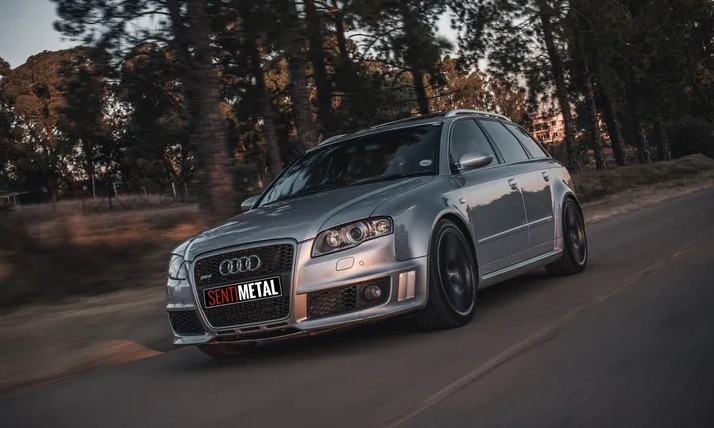
Are you looking to get into the classic car game, but want something that still offers modern appeal? Enter the B7-generation Audi RS4 – and, for an extra touch of exclusivity, the Avant derivative. Contributor John Whittle gets behind the ‘wheel of the high-revving, 4.2-litre V8-engined machine (replete with its blistered wheel arches) and highlights everything you need to look out for when searching for one.
It’s an age-old question – which of the “Big Three” German brands makes the best cars? There’s no clear-cut answer. If you’ve been exposed to a particular brand’s models (appreciably more so than others) in your formative years, you’re probably likely to favour that marque’s products over those of its direct rivals – at least, that’s been my experience. But honestly, if you’ve been fortunate enough to experience a variety of their cars, Audi, BMW and Mercedes-Benz are pretty evenly matched in most departments.
Still, brand bias most certainly exists; it always will. Pundits are often firmly steadfast in their beliefs and partial to voicing their oft-obstinate points of view when the Teutonic trio’s performance derivatives are compared with one another. BMW M models have traditionally been heralded great driver’s cars, Mercedes-Benz’s AMG (now simply Mercedes-AMG) models are widely considered flashier and more brutish by comparison and Audi’s RS derivatives are very surefooted, more docile, but exceedingly brisk.
A fast ‘wagon is a thing of beauty. The B7 RS4 still looks the part – even by today’s standards.
Introduced in 1999, the first (B5-based) RS4 was the successor to the iconic RS2 Avant – the product of an Audi-Porsche joint venture. Although the first-gen RS4 was not sold in South Africa, it cemented Audi’s reputation for building rapid ‘wagons with understated style… and staggering pace off the line thanks to quattro all-wheel drive (AWD).
Skip one generation of the A4 to the B7, and no one was quite ready for the surprise Audi had in store. The Ingolstadt-based brand’s fans weren’t afforded a B6-generation RS4 (alas, they had to make do with the underwhelming S4), but, when the first new RS4 in 7 years debuted at the 2006 Detroit Motor Show, the fanboys were in a veritable froth.
The newcomer’s 4.2-litre naturally-aspirated (non-turbocharged) petrol V8 produced peak outputs of 309 kW and 430 Nm of torque and was mated exclusively with a 6-speed manual ‘box. The all-aluminium motor was exceptionally light and offered a specific output of 74.2 kW per litre, which was very close to that of the E46 M3 with 78.3 kW per litre. What’s more, it had a rather high compression ratio of 12.5:1 and emitted a glorious baritone soundtrack as it revved all the way to its 8 500-rpm rev limit.
It was offered in sedan, Avant (estate) and cabriolet guises and the 3 respective variants offered similar levels of performance. The RS4’s quattro AWD system had a default 40/60 front-rear split, but the Audi’s electronic control unit dynamically apportioned torque as it saw fit. Other highlights included flared wheel arches, aluminium front wings and bonnet, a sport button on the steering wheel that opened up bypass valves in the exhaust and sharpened up the throttle response, as well as Dynamic Ride Control.
Was it any good to drive?
The B7 RS4 had a trick suspension setup (DRC) that reduced body roll in the corners.
At the time of the B7-generation RS4’s launch, fast Audis had a bit of a reputation for offering lacklustre dynamics and too little driver engagement. It came as quite a surprise then when the RS4 was not only rapid in a straight line, but poised and engaging in the twisties too. The whole package offered a kind of excitement that its predecessors somehow lacked… and this was evident from the moment you prodded the start button on the transmission tunnel and the V8 erupted to life with its assertive burble.
Even 15 years after its introduction, the direct injection V8’s alacrity for high revs makes for an intoxicating experience when pressing on, and even though the shift quality of the 6-speed ‘box is a little hollow, the short-throw matches up perfectly with the fast steering rack, allowing for a lithe precision that one might not expect from an all-wheel-drive V8 ‘wagon. The chassis and powertrain complement each other well; the car exudes wonderful tension and tautness at all times, but it never feels overwhelming or unwelcome.
A lot of that has to do with the RS4’s Dynamic Ride Control (DRC). Essentially a trick suspension setup, DRC is a mechanical system featuring hydraulically linked diagonally opposed dampers. In fact, it’s similar to the setup you’ll find in a McLaren MP4-12C! The system allows for an incredibly supple ride, while simultaneously reducing pitch and roll in the corners. The damping is lovely and controlled; all of the above results in the RS4 being quite forgiving – but delightfully communicative – as it approaches its limits.
If the Audi spears into a corner a little more enthusiastically than one may have intended, the weight of that V8 motor up front will cause the Audi’s front end to wash a little wide, but this minor misbehaviour is easily corrected by coming off the throttle, after which the nose will neatly tuck in, and the rear should rotate just the right amount.
One may even induce a little oversteer if you’re brave, but that’ll require more speed than most drivers are likely to be comfortable with. Suffice to say the RS4 responds beautifully to driver inputs and offers a completely different experience to its contemporary M3 or C63 AMG rivals, but its performance is equally compelling and no less exciting.
Did you say a V8, manual Estate?
Stubby shifter provides a muscular yet fast-shifting experience.
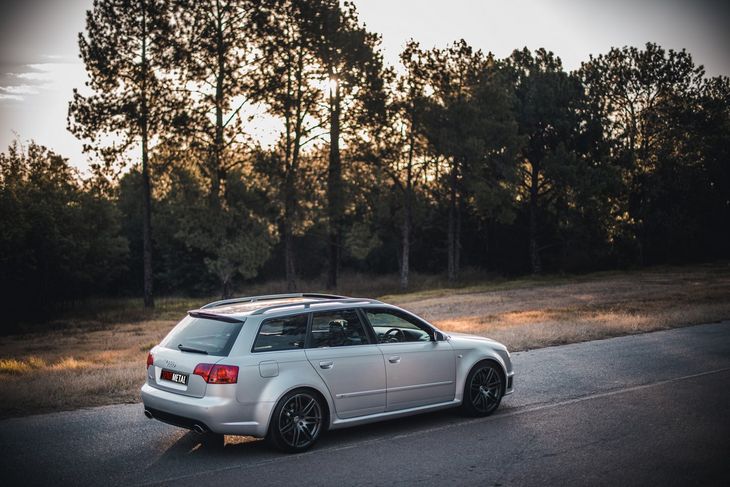
Audi South Africa imported only 32 RS4 Avants. You’ll have an easier time tracking down a hen’s dentist than finding one of these; it was pure luck that we managed to source this Avus Silver example for the shoot. The owner searched for it for months and mere minutes before signing for a Sprint Blue sedan, he received a call from an Audi dealer that tracked down this particular example. It presents in good condition and has the Sport pack, which was standard from 2007 – lowered suspension, flat-bottomed steering wheel and side bolsters that give you a squeeze when you poke the sport button. This vehicle also has the Carbon Pack, which adds a smattering of carbon fibre to the interior.
So, you’d like to buy one?
Well, the asking prices for B7-generation RS4s are rather reasonable at the moment; there’s bound to be one to suit your pocket, whether you’re looking for a poked one that’ll bankrupt you in repair bills or an absolute minter that you’ll want to park forever. Somewhere in between those extremes is the sweet spot, where you’ll pay around R250k – R270k for a well looked-after example with moderate mileage (around 110 000 km). Immaculate cars will obviously demand a premium and can fetch upwards of R350k, but these are hard to come by. There are quite a few dogs out there, too (in the R150k – R200k region). These are very likely to be a good lesson in getting what you pay for.
Things that may break:
Avants were particularly rare in SA, just 32 units were imported to our market.
Serious things;
Rust and corrosion – A great deal of alloy was used in the running gear and mechanicals of the RS4. At the areas where these components come into contact with steel, there’s a good chance that you’ll find corrosion. If possible, get the car up on a ramp and whip out your torch to have a close look. This isn’t always a train smash, but in worse cases, components will need to be replaced at great cost.
Dynamic Ride Control leaks – It’s a remarkable system, which will only function with the correct pressure. A common problem is that the seals tend to leak and the shocks depressurise, which renders them useless. Be on the lookout for sweating shocks. Some of the suspension pipes tend to corrode, so check them for rust too.
Coil packs – Depending on the mileage of the vehicle you’re looking at, it may be necessary to fit a new set of coil packs. Replacing one or two isn’t too costly, but these do tend to fail around the same time, in which case a set will set you back many thousands of Rands.
Cost of OEM parts – The abovementioned issues aren’t too serious, but as mentioned, OEM parts can be hugely expensive and, as is often the case with these sorts of things, the numbers start adding up rather quickly. There are some great aftermarket alternatives, though, which offer a great quality product at a fraction of the price. OEM brake discs, for example, will set you back R70k whereas an aftermarket option will cost you less than half that.
Slightly less serious things/ Things to take note of
OEM parts can be particularly expensive but high-quality aftermarket parts are also readily available.
Clutches – Early cars had a clutch-hose problem, but this was rectified by virtue of a manufacturer recall. If you’re having a look at an earlier vehicle, check the history to see that the recall was done. If the car has no history and you’re still brave enough to stick around, take down the VIN and phone an Audi dealership – its personnel should be able to give you an answer. The clutch tends to last around 75 000 km – this should have been replaced unless the vehicle you’re looking at has very low mileage.
Oil cooler pipes – Check these for leaks, they tend to corrode and can leak oil in varying degrees of “oh… no!”.
Power-steering hose – There’s a pipe that leads from the power steering pump to the rack and this tends to corrode and ultimately leak. It’s difficult to spot, but feel for any stiffness in the steering, low fluid levels or whether any whiny noises become apparent when you turn the ‘wheel lock to lock.
Upper- and lower suspension-arm bushings – These are prone to splitting and will need to be replaced. Listen for any knocking coming from the front suspension as this is a clear indication of this.
Upper-arm pinch bolt – Listen for knocking control arms at full lock, this would indicate that the upper arm pinch bolt has seized. This is a pretty simple fix if it can be removed but if not, a new housing will be required as well.
Oil consumption and average service cost – One may be alarmed at just how much oil the B7 RS4 consumes. Both the engine and gearbox are rather thirsty, but keeping them topped up is essential to ensure the longevity of both of these components. It’s not uncommon to use up to 3 litres of engine oil every 1 600 km.
Engine: 5W-40 (5W-30 can be used, but chain tensioners will start to rattle when cold); Gearbox and Rear Differential: 75W-90
A minor service at a reputable Audi specialist should cost you around R3 000.
Corroded battery compartment – This seems to be a common issue with B7-generation Audis and so shouldn’t be a deterrent. However, one should check for rust, as well as scrapes and scratches in the wheel arches, as these could all be signs of repair work.
Damaged sump and alternator belt housings – These sit very low underneath the car and can be damaged on nasty speed bumps and the like – check that the alternator and its housing are not in tatters and that the sump isn’t leaking.
How to spot a lemon
As with purchasing any car, it’s important to take note of the overall condition of the vehicle. Worn seat bolsters are a nuisance and peeling rubbery trim on the steering wheel and radio aren’t ideal, but where one really needs to pay close attention is when inspecting the mechanical components of the car. If you start the car and the dashboard resembles a trippy trance party, it’s probably wise to stay away. If the V8 sounds like a V4 or the smoke that billows from the exhaust teleports you back to that trippy trance party, stay well away. That is, of course, unless you’re looking to find a genuine bargain and you’re certain of the work that needs to be done and the costs of carrying it out.
Popular modifications
A good detailer will always be able to restore an interior to near-showroom spec.
Decat – When you push the sport button on the RS4’s steering wheel, the Audi’s exhaust valves open and beef up the V8 exhaust note measurably. This, however, isn’t loud enough for some people who feel the need to “enhance” their vehicles further by splashing out on bespoke exhaust modifications. Their flagrant disregard for the wellbeing of the planet aside, this can sound quite nice, but it all depends on the quality of the work done. Straight-piping your Audi is not a good idea.
Aftermarket brakes – Due to the fact that OEM brakes are so astonishingly expensive, aftermarket brakes are not only cheaper, but one could install some “beefier” brakes to the RS4 for less than what OEM replacement items would cost.
Suspension – One of the most common modifications on the B7 RS4 is the removal of the Dynamic Ride Control system, due to the fact that it’s prone to leaking and can be expensive to repair. Some of the more common options are Bilstein B14 Coilovers or kW Street Comfort shocks.
Air filter and remap – If an aftermarket exhaust is installed, an ECU remap is often done to improve mid-range torque and remove the torque limiters in 1st and 2nd gear.
Carbon clean – Not so much a modification, but rather a bit of routine maintenance, which should be done every 100 000 km (or so) due to the FSI direct injection system.
Summary
Eminently sought-after and revered by motoring enthusiasts and performance-car aficionados alike – irrespective of where their brand loyalties lie (I might add) – the B7-generation RS4 is a phenomenal performance machine that offers exceptionally good bang for your buck, as long as you’re vigilant about the issues you need to look out for.
Policija je u Smederevu uhapsila M. Š. (29) iz Smederevske Palanke osumnjčenog da je provalio u kuću opljačkao i silovao nepokretnu ženu staru 77 godina.
– On se sumnjiči da je noćas provalio u kuću žene (77), za koju je znao da je nepokretna i da živi sama, a potom je obljubio – navodi se u saopštenju policije i dodaje da je M. Š. više puta ženu udario i iz njene tobe odneo 5.000 dinara.
Osumnjičenom je određeno zadržavanje do 48 sati nakon čega će, uz krivičnu prijavu, biti priveden višem javnom tužiocu u Smederevu.
Korona brojke u Srbiji rastu, a sa njima i strepnja roditelja da bi nova mera mogla da dovede do ponovnog zatvaranja škola. Sudeći po komentarima s društvenih mreža na vesti o mogućem prelasku na onlajn režim rada škola i fakulteta – majke i očevi bi najradije pobegli s tog časa.
Juče i danas epidemiolozi su upozorili da ulazimo u pik trećeg talasa u kome može za oko dve nedelje biti i do 500 zaraženih. To dovodi u pitanje nastavu uživo. Doktor Branislav Tiodorović izjavio je da se škole i fakulteti zasad drže.
– Ali ako pređemo 500 zaraženih za dan, što je realno očekivati da će se desiti u naredne dve nedelje, ako se narod ne uozbilji, nastava više neće biti u školama i na fakultetima, već isključivo onlajn – upozorio je epidemiolog i član Kriznog štaba.
Reakcije roditelja, među kojima su najglasnije majke, prilično su živopisne i raznolike i variraju od podržavanja mera, preko zbunjenosti, sve do otvorenih molbi i Ministarstvu i koroni da ne zatvara škole.
“Molim vas ne zatvarajte škole, mi roditelji prvaka nećemo da izginemo od korona nego od nervnih slomova”, komentarisala je jedna mama.
“Konkretno pitanje: da li će Deda Mraz moći ući u zemlju bez testa i/ili izolacije? Hoće li moći u ponoć ili ne”, šali se druga žena.
“Ja sam za to da se zatvore škole, deca ionako ništa nisu stigla da nauče, lepo nas da raspuste sa posla i da učimo decu”, predlaže jedan rezignirani tata.
“Ja ne mogu više. Ne mogu više, ljudi, i posao, i decu, i sve po kući. Znači, budu li opet zatvorili škole, ima da izbacim muža iz kuće i dam decu na usvajanje”, šali se jedna Tviterašica iz Niša, dok druga kaže da od stresa kućnog školovanja neće postati učiteljica nego alkoholičarka.
Jedan Tviteraš je rekao da roditelji moraju da “olabave” pritisak u ovakvoj situaciji.
Užasna vest stiže iz Ugande, gde je jedan fudbaler tamošnjeg lokalnog tima preminuo nakon što su ga saigrači pretukli!
U pitanju je Čerčil Ovasi (22) koji je igrao na poziciji defanzivca u derbiju između dva tima iz oblasti Poba u Severnoj Ugandi, a koji je “platio glavom” zbog greške koja je prethodila golu.
Naime, njega su još tokom meča fizički napali saigrači koji su ga pretukli pre nego što su radvojeni. Međutim, tu se priča nije završila.
Nesrećni Ovasi je posle meča gurnuo jednog od igrača koji ga je tukao i incident se nastavio. Usledila je nova tuča, a nedugo zatim pomenuti fudbaler se srušio na zemlju.
Vrlo brzo je prebačen u Dom zdravlja, javlja portal “Daily Monitor”, gde je preminuo posle nekoliko sati.
Policija se brzo oglasila i potvrdila da je ovo slučaj ubistva i da su dvojica fudbalera, koji su učestvovali u tuči, privedeni.
“Javila se iz prodavnice, a onda joj se izgubio trag”.
Ovim rečima, porodica Ukrajinke Tatjane Markove iz sela kraj Zaporožja rekla je policiji za poslednji kontakt koji su pre 6 dana imali sa njom.
Tatjana je nestala jednog prepodneva kada je otišla navodno do prodavnice, ali i da prošeta psa. Od tada niko ne zna ništa o njoj. Meštani su isto veče kod obližnje šume pronašli telefon i torbicu za šta se kasnije ispostavilo da pripadaju njoj. Od Tatjane i psa ni traga ni glasa.
Dok policija proverava i dalje neke meštane, češljajući u isto vreme šumu, mnoge komšije naglašavaju da porodica zna više nego što želi da kaže, prenosi portal Strana.ua.
Jedan od komšija koji je ostao anoniman rekao je da se Tatjana u poslednje svađala sa ocem i sestrom, kao i da je pre nekoliko meseci bila tuča u njihovoj kući.
Neki aludiraju na to da je pobegla od kuće sa dobro smišljenim planom, drugi se plaše najgoreg.
Za sada nema indicija gde je, a ukoliko u narednih nekoliko dana policija ne bude pronašla dokaze, članovi porodice najverovatnije biće prvi osumnjičeni u vezi sa Tatjaninim nestankom.
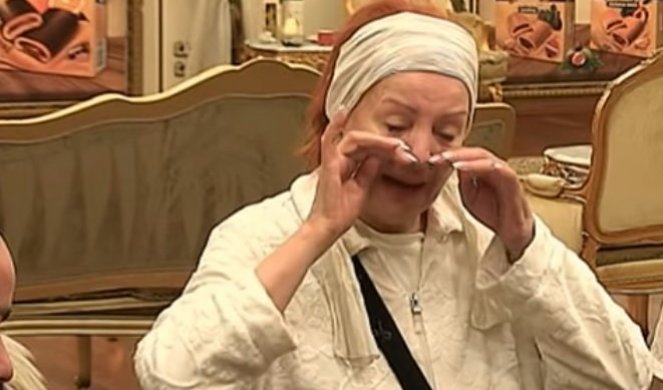
Koleginica i prijateljica pevača Bore Drljače koji je juče preminuo u 80. godini života, Lepa Lukić, trenutno se nalazi u rijalitiju “Parovi”.
Ona još ne zna za smrt dragog kolege. Ljudi iz produkcije popularnog rijalitija strahuju kako će ona primiti ovu tužnu vest, te će joj tek saopštiti šta se dogodilo.
– Lepoj ćemo danas reći za smrt Bore Drljače, zbog toga što želimo da joj saopštimo u kontrolisanim uslovima, jer nas brine kako će primiti tu vest. Produkcija “Parova” će naravno odvesti Lepu na sahranu i biti uz nju – kažu sa televizije Hepi.
U Jutarnjem programu televizije Hepi povela se velika rasprava oko aktuelne situaciju u Nagorno-Karabahu.
Arkan, Foto: Twitter/Printscreen
Voditeljka Jovana Jeremić ugostila je danas stručnjake iz raznih sfera, od novinara do Dragana Vasiljkovića poznatijeg kao kapetan Dragan.
Naime, Jermenija i Azerbejdžan već 16 dana vode žestoke borbe, ali posebnu pažnju naše javnosti privukle su fotografije pojedinih Srba koji su predstavljeni kao učesnici borbi na Kavkazu.
Prvo se u javnosti pojavila fotografija Miloša Bikovića u uniformi. Međutim, naš slavni glumac nije otišao da se bori ni za Jermene, ni za Azerbejdžance, već se radi o lažnoj vesti. Fotografija je nastala tokom snimanja filma, a objava na društvenim mrežama je ubrzo povučena.
Usledila je nova začuđujuća objava, kada se pronela vest da je Arkan živ, i da je viđen u Nagorno-Karabahu.